 EN
EN
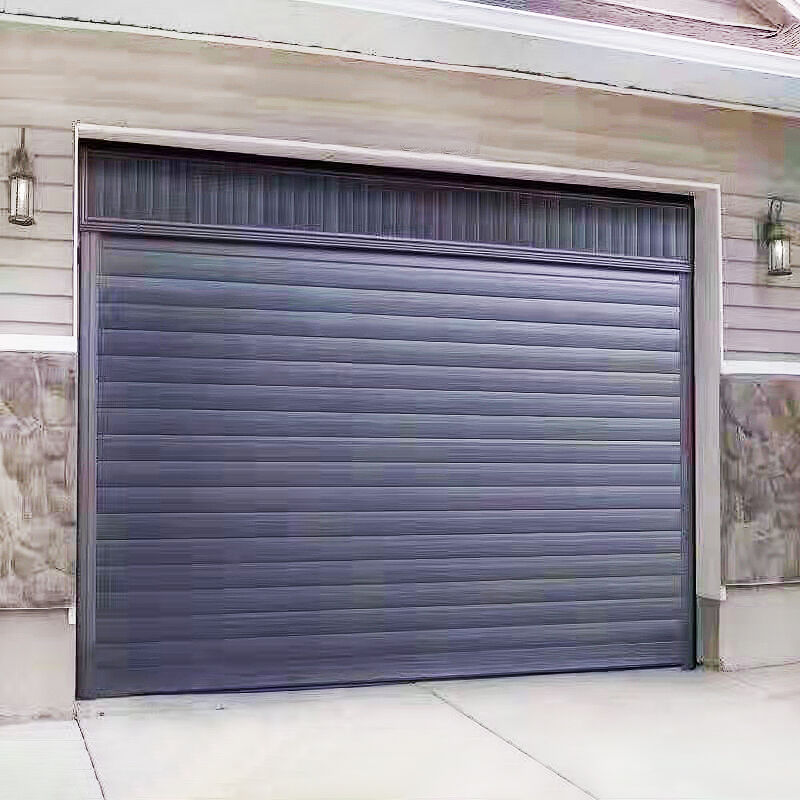
Selecting the appropriate self storage roller door for your facility is a critical decision that impacts security, operational efficiency, and long-term maintenance costs. Modern storage facilities require doors that can withstand frequent use while providing reliable protection for valuable contents. The right self storage roller door combines durability, weather resistance, and smooth operation to ensure your facility meets both tenant expectations and operational requirements. Understanding the key factors that influence door selection will help facility managers make informed decisions that enhance both security and profitability.
Understanding Self Storage Door Requirements
Security and Protection Standards
Security remains the primary concern when evaluating any self storage roller door system. Facility operators must consider the level of protection required based on their location, clientele, and insurance requirements. High-quality roller doors feature reinforced slats, secure locking mechanisms, and tamper-resistant construction that deters unauthorized access. The door material should resist cutting, drilling, and prying attempts while maintaining structural integrity over extended periods of use.
Weather protection capabilities are equally important for maintaining the integrity of stored items. A reliable self storage roller door must provide effective sealing against moisture, dust, and temperature fluctuations. Premium doors incorporate weather stripping, sealed joints, and corrosion-resistant materials that prevent environmental damage to stored contents. This protection not only satisfies tenant expectations but also reduces facility liability and insurance claims related to weather-related damage.
Operational Efficiency Considerations
The operational demands of storage facilities require doors that function smoothly and reliably under frequent use. Each self storage roller door must accommodate multiple daily openings and closings without compromising performance or requiring excessive maintenance. Quality door systems feature precision-engineered tracks, balanced spring systems, and durable hardware that ensures consistent operation over thousands of cycles.
Ease of operation directly impacts tenant satisfaction and facility management efficiency. Modern roller doors should operate smoothly with minimal force, allowing tenants of all ages and physical abilities to access their units comfortably. Automatic or semi-automatic operation options can further enhance user experience while reducing wear on manual components. The door design should also accommodate standard storage facility dimensions and loading requirements.
Material Selection and Construction Quality
Aluminum Versus Steel Construction
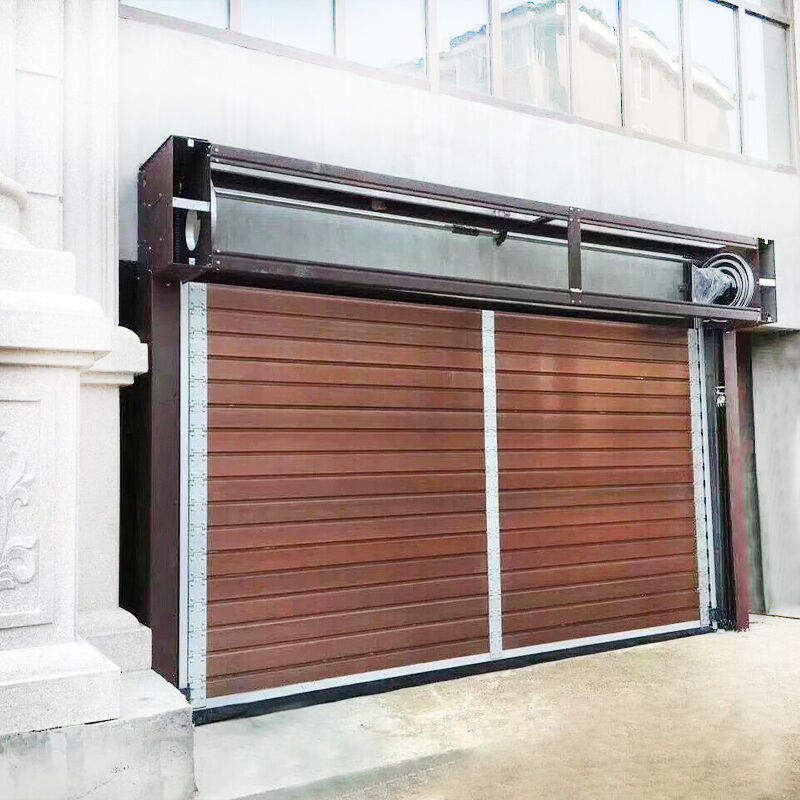
Material selection significantly influences the performance and longevity of any self storage roller door installation. Aluminum construction offers excellent corrosion resistance, lightweight operation, and reduced maintenance requirements compared to traditional steel alternatives. High-grade aluminum alloys provide sufficient strength for security applications while resisting rust, denting, and weather-related deterioration that can compromise door function over time.
Steel doors may offer superior strength characteristics but require additional protective coatings and maintenance to prevent corrosion. The weight of steel construction can also place additional stress on operating mechanisms and mounting hardware. For most storage facility applications, premium aluminum construction delivers optimal performance with lower long-term ownership costs. The material choice should align with local climate conditions, security requirements, and maintenance capabilities.
Surface Finishes and Aesthetics
The surface finish of a self storage roller door affects both durability and visual appeal. Quality finishes protect the underlying material from environmental damage while maintaining an attractive appearance that enhances facility curb appeal. Powder coating, anodizing, and specialized protective films provide long-lasting protection against fading, chalking, and surface degradation.
Color selection should complement the overall facility design while providing practical benefits such as heat reflection and visibility. Lighter colors typically reflect more heat, reducing thermal expansion and contraction that can affect door operation. The finish should also resist graffiti, staining, and other forms of vandalism that can detract from facility appearance and require costly maintenance or replacement.
Installation and Compatibility Factors
Structural Requirements and Mounting
Proper installation of a self storage roller door requires adequate structural support and precise mounting to ensure reliable operation. The facility structure must provide sufficient load-bearing capacity for the door assembly, tracks, and operating mechanism. Building codes and manufacturer specifications dictate minimum requirements for mounting points, header clearance, and side room dimensions that must be verified before door selection.
Professional installation ensures that each self storage roller door operates within design parameters and warranty requirements. Improper installation can lead to premature wear, operational problems, and safety hazards that compromise facility operations. Experienced installers understand the critical measurements, alignment tolerances, and adjustment procedures necessary for optimal door performance.
Size and Configuration Options
Storage facilities typically require doors in various sizes to accommodate different unit configurations. Standard widths range from small locker-sized units to large drive-up spaces that accommodate vehicles and oversized items. The self storage roller door selection should match the specific dimensional requirements while providing adequate clearance for typical storage items and access equipment.
Custom sizing options allow facility developers to optimize space utilization and accommodate unique architectural requirements. However, non-standard sizes may increase costs and delivery times compared to standard configurations. The door system should also accommodate future modifications or expansions that may alter unit configurations or access requirements.
Operational Features and Technology
Manual Versus Automated Operation
The choice between manual and automated operation for each self storage roller door depends on facility requirements, budget considerations, and tenant preferences. Manual operation typically offers lower initial costs and reduced maintenance complexity but may limit accessibility for some tenants. Quality manual systems incorporate spring balancing and smooth-rolling hardware that minimizes operating effort while maintaining reliable function.
Automated operation enhances convenience and accessibility but requires electrical infrastructure and additional maintenance considerations. Remote control operation, keypads, and smartphone integration options provide modern convenience features that can differentiate a facility in competitive markets. The automation system should include manual override capabilities for emergency access and power outage situations.
Security Integration and Access Control
Modern storage facilities often integrate door security with comprehensive access control systems that monitor and log facility usage. A properly designed self storage roller door can accommodate electronic locks, sensors, and monitoring equipment that enhance facility security and operational oversight. Integration capabilities should be considered during the door selection process to ensure compatibility with existing or planned security systems.
Advanced security features may include alarm integration, tamper detection, and remote monitoring capabilities that alert facility managers to unauthorized access attempts. These features provide added value for premium storage offerings while reducing security staffing requirements. The door design should accommodate security upgrades without compromising structural integrity or operational reliability.
Maintenance and Longevity Considerations
Preventive Maintenance Requirements
Regular maintenance is essential for ensuring the long-term performance of any self storage roller door installation. Quality door systems are designed for minimal maintenance requirements, but periodic inspection and service ensure optimal operation and prevent costly repairs. Maintenance schedules should address lubrication, hardware inspection, track cleaning, and weather seal replacement as needed.
Facility managers should establish maintenance protocols that address both routine care and emergency repairs. Access to qualified service technicians and replacement parts is crucial for minimizing downtime and maintaining tenant satisfaction. The door manufacturer should provide comprehensive maintenance guidelines and support resources to facilitate proper care throughout the door's service life.
Warranty and Service Support
Comprehensive warranty coverage provides protection against manufacturing defects and premature failure while ensuring access to authorized service support. Quality self storage roller door manufacturers offer warranties that cover materials, workmanship, and key components for specified periods. Extended warranty options may be available for additional protection and peace of mind.
Service support availability affects both routine maintenance and emergency repair capabilities. Manufacturers with established service networks can provide faster response times and better parts availability compared to smaller or overseas suppliers. Local service support reduces travel costs and ensures familiarity with local building codes and installation requirements.
Cost Analysis and Budget Planning
Initial Investment Considerations
The initial cost of a self storage roller door includes the door assembly, installation, and any necessary structural modifications. Premium materials and features increase upfront costs but may provide better long-term value through reduced maintenance and longer service life. Budget planning should consider the total number of doors required and any volume pricing advantages available from manufacturers or distributors.
Financing options and payment terms can affect the feasibility of upgrading to higher-quality door systems. Some manufacturers offer lease programs or extended payment plans that help facilities spread costs over time while enjoying immediate operational benefits. The cost analysis should include installation, permits, and any facility modifications required to accommodate the new door system.
Long-term Value and Return on Investment
Quality self storage roller door systems provide long-term value through reduced maintenance costs, improved tenant satisfaction, and enhanced facility appeal. Premium doors typically offer longer service life and better performance reliability compared to economy alternatives. The total cost of ownership includes maintenance, repairs, energy costs, and replacement frequency over the door's expected service life.
Facility improvements that enhance security and convenience can justify premium pricing and improve occupancy rates. Tenants are willing to pay more for facilities that offer superior protection and ease of access. The investment in quality doors should be evaluated based on competitive positioning, market rates, and facility improvement goals.
FAQ
What size self storage roller door do I need for my facility
Door sizing depends on your specific unit configurations and intended use. Standard sizes range from 5x5 feet for small units to 12x14 feet for large drive-up spaces. Measure your openings carefully and consider clearance requirements for typical storage items. Consult with door manufacturers to determine the best size options for your facility layout and ensure proper fit with structural requirements.
How often should self storage roller doors be maintained
Regular maintenance should be performed quarterly for high-use facilities, including lubrication of moving parts, track cleaning, and hardware inspection. Annual professional inspections help identify potential issues before they become costly problems. Weather seals and springs may require replacement every few years depending on usage and environmental conditions. Establish a maintenance schedule based on manufacturer recommendations and facility usage patterns.
Can self storage roller doors be automated after installation
Many manual self storage roller door systems can be retrofitted with automation equipment, though compatibility varies by manufacturer and door design. Automation upgrades typically require electrical infrastructure and may need structural modifications for motor mounting. Consult with the door manufacturer or a qualified technician to evaluate retrofit possibilities and ensure proper integration with existing door hardware.
What security features should I consider for self storage roller doors
Essential security features include reinforced construction, secure locking mechanisms, and tamper-resistant hardware. Consider doors with integrated alarm systems, electronic locks, and access control compatibility for enhanced security. Weather sealing and corrosion-resistant materials protect against environmental damage that could compromise security. Evaluate your facility's security requirements and insurance recommendations when selecting appropriate security features for your self storage roller door installation.