 EN
EN

The landscape of garage door manufacturing has undergone remarkable transformation in recent years, driven by technological advancements, changing consumer preferences, and evolving architectural styles. Today's garage door manufacturing industry embraces innovation while maintaining the fundamental principles of durability, security, and aesthetic appeal that homeowners demand. Modern manufacturers are responding to market trends by developing products that seamlessly blend functionality with contemporary design elements, creating garage doors that serve as both protective barriers and architectural statements.
The current state of garage door manufacturing reflects a perfect convergence of traditional craftsmanship and cutting-edge technology. Manufacturers are investing heavily in research and development to create products that meet the diverse needs of modern homeowners. From smart integration capabilities to enhanced insulation properties, the industry continues to push boundaries while maintaining cost-effectiveness and reliability that consumers expect from quality garage door systems.
Advanced Materials Revolution in Garage Door Production
Aluminum Alloy Innovation
Contemporary garage door manufacturing has embraced aluminum alloys as a primary material choice, offering exceptional strength-to-weight ratios that traditional materials cannot match. These advanced alloys provide superior corrosion resistance while maintaining the structural integrity required for daily operation cycles. Manufacturers have developed specialized aluminum compositions that withstand harsh weather conditions, ensuring longevity and minimal maintenance requirements for homeowners.
The manufacturing process for aluminum garage doors has become increasingly sophisticated, incorporating precision engineering techniques that ensure consistent quality across production runs. Advanced extrusion processes allow manufacturers to create complex profiles that enhance both aesthetic appeal and functional performance. These innovations in garage door manufacturing have resulted in products that offer exceptional durability while maintaining competitive pricing structures.
Composite Material Integration
Modern garage door manufacturing increasingly incorporates composite materials that combine the benefits of multiple substrate types into single, high-performance panels. These innovative composites offer enhanced insulation properties, improved impact resistance, and superior dimensional stability compared to traditional single-material constructions. Manufacturers utilize advanced bonding techniques to ensure these composite structures maintain their integrity throughout extended service lives.
The development of composite materials in garage door manufacturing has opened new possibilities for design creativity and functional enhancement. These materials allow manufacturers to achieve specific performance characteristics while maintaining cost-effectiveness and production efficiency. The result is a new generation of garage doors that deliver superior performance across multiple criteria simultaneously.
Smart Technology Integration and Automation
Internet of Things Connectivity
The integration of IoT technology represents a significant advancement in garage door manufacturing, enabling homeowners to monitor and control their garage doors remotely through smartphone applications. Modern manufacturers are incorporating wireless connectivity modules directly into garage door systems during the production process, ensuring seamless integration and reliable performance. These smart features include real-time status monitoring, automated scheduling, and security alerts that enhance both convenience and safety.
Garage door manufacturing companies are partnering with technology providers to develop proprietary control systems that offer advanced functionality while maintaining user-friendly interfaces. These partnerships have resulted in innovative solutions that allow garage doors to integrate with broader home automation ecosystems, creating cohesive smart home experiences for consumers.
Advanced Safety Systems
Contemporary garage door manufacturing prioritizes safety through the integration of sophisticated sensor technologies and automated safety mechanisms. Modern production lines incorporate multiple safety systems, including photoelectric sensors, pressure-sensitive safety edges, and backup battery systems that ensure safe operation even during power outages. These safety innovations have become standard features rather than optional upgrades in today's manufacturing processes.
The evolution of safety technology in garage door manufacturing has led to the development of predictive maintenance systems that can identify potential issues before they result in system failures. These proactive approaches to safety and maintenance represent a significant advancement in how manufacturers approach product reliability and customer satisfaction.
Design Trends and Aesthetic Innovation
Contemporary Architectural Integration
Modern garage door manufacturing emphasizes seamless integration with contemporary architectural styles, moving beyond traditional raised-panel designs to embrace clean lines and minimalist aesthetics. Manufacturers are developing door designs that complement modern home facades, incorporating elements such as horizontal slats, mixed materials, and integrated lighting systems. This focus on architectural harmony has transformed garage doors from purely functional elements into integral components of home design.
The trend toward architectural integration in garage door manufacturing has driven innovation in panel configurations, hardware selections, and finishing techniques. Manufacturers now offer extensive customization options that allow homeowners to create garage doors that perfectly complement their home's unique architectural character while maintaining the functional performance standards expected from modern garage door manufacturing processes.
Glass and Transparency Elements
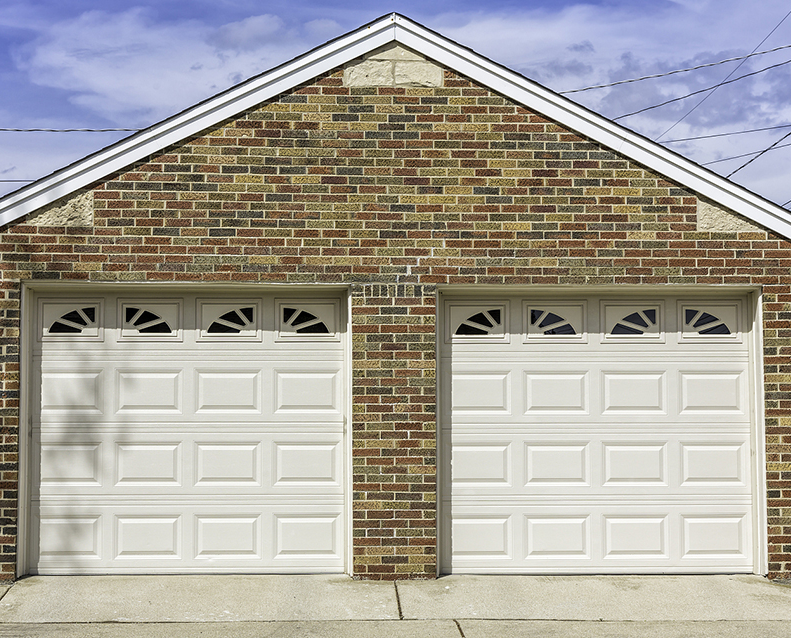
The incorporation of glass elements has become increasingly prominent in garage door manufacturing, with manufacturers developing innovative glazing solutions that provide natural light while maintaining security and insulation properties. Frosted glass panels, in particular, have gained popularity for their ability to create visual interest while preserving privacy. These glass integration techniques require specialized manufacturing processes that ensure proper sealing and thermal performance.
Advanced glass technologies in garage door manufacturing include insulated glazing units, impact-resistant glass options, and decorative treatments that enhance aesthetic appeal. Manufacturers have developed sophisticated framing systems that accommodate these glass elements while maintaining the structural integrity required for reliable long-term operation.
Energy Efficiency and Environmental Considerations
Insulation Technology Advancements
Environmental consciousness has significantly influenced garage door manufacturing practices, with manufacturers developing advanced insulation systems that improve energy efficiency and reduce environmental impact. Modern insulation technologies include polyurethane foam injection systems, reflective barrier materials, and thermal break designs that minimize heat transfer. These innovations help homeowners reduce energy costs while contributing to overall home energy efficiency ratings.
The focus on energy efficiency in garage door manufacturing has led to the development of comprehensive testing protocols that verify thermal performance under various climate conditions. Manufacturers now provide detailed R-value ratings and energy performance data that help consumers make informed decisions about their garage door investments.
Sustainable Manufacturing Practices
Sustainability has become a core consideration in garage door manufacturing, with companies implementing eco-friendly production processes and material sourcing strategies. Modern manufacturing facilities utilize energy-efficient equipment, waste reduction programs, and recyclable material specifications that minimize environmental impact. These sustainable practices extend throughout the entire product lifecycle, from raw material selection to end-of-life disposal considerations.
The commitment to sustainability in garage door manufacturing includes the development of recycling programs for old garage doors and the use of renewable energy sources in production facilities. These initiatives demonstrate the industry's dedication to environmental responsibility while maintaining product quality and performance standards.
Manufacturing Process Innovation and Quality Control
Precision Engineering Techniques
Contemporary garage door manufacturing employs precision engineering techniques that ensure consistent quality and reliable performance across all product lines. Computer-controlled manufacturing equipment enables precise tolerances and repeatable processes that eliminate variations in product quality. These advanced manufacturing techniques include laser cutting systems, robotic welding processes, and automated assembly lines that maintain exacting quality standards.
The implementation of precision engineering in garage door manufacturing has resulted in products with enhanced fit and finish characteristics that improve both aesthetic appeal and functional performance. These manufacturing innovations enable companies to offer comprehensive warranty programs while maintaining competitive pricing structures.
Quality Assurance Systems
Modern garage door manufacturing incorporates comprehensive quality assurance systems that monitor every aspect of the production process, from raw material inspection to final product testing. These systems utilize statistical process control methods, automated inspection equipment, and rigorous testing protocols that ensure each garage door meets or exceeds performance specifications. Quality assurance in garage door manufacturing has evolved to include lifecycle testing that simulates years of typical use conditions.
The advancement of quality assurance systems in garage door manufacturing has enabled manufacturers to offer extended warranty programs and performance guarantees that provide consumers with confidence in their purchase decisions. These comprehensive quality systems represent a significant competitive advantage in today's demanding marketplace.
Market Demand and Consumer Preferences
Customization and Personalization
Consumer demand for customized garage door solutions has driven significant innovation in garage door manufacturing processes, with companies developing flexible production systems that accommodate individual preferences and specifications. Modern manufacturing capabilities enable extensive customization options, including unique color combinations, hardware selections, and panel configurations that allow homeowners to create truly personalized garage door systems.
The trend toward customization in garage door manufacturing has necessitated investments in modular production systems and advanced scheduling software that can efficiently manage complex order specifications. These capabilities enable manufacturers to offer custom solutions while maintaining reasonable delivery timeframes and competitive pricing structures.
Security Enhancement Features
Security considerations have become increasingly important in garage door manufacturing, with consumers demanding enhanced protection features that deter unauthorized access and protect valuable assets stored in garages. Modern manufacturing processes incorporate reinforced construction techniques, advanced locking mechanisms, and tamper-resistant hardware that provide superior security performance compared to traditional garage door systems.
The evolution of security features in garage door manufacturing includes the integration of alarm systems, surveillance camera compatibility, and smartphone-based access control that provide comprehensive security solutions. These advanced security features represent significant value additions that justify premium pricing for enhanced garage door systems.
Future Directions and Emerging Technologies
Artificial Intelligence Integration
The future of garage door manufacturing will likely incorporate artificial intelligence technologies that enable predictive maintenance, automated diagnostics, and adaptive performance optimization. AI-powered systems could monitor garage door operation patterns, identify potential issues before failures occur, and automatically adjust operational parameters to optimize performance and extend service life. These intelligent systems represent the next evolution in garage door technology.
Artificial intelligence applications in garage door manufacturing could extend to production processes, enabling adaptive manufacturing systems that automatically adjust parameters based on real-time quality feedback. These AI-driven manufacturing processes could significantly improve efficiency and consistency while reducing waste and production costs.
Advanced Communication Protocols
Emerging communication technologies will enable garage door manufacturing to incorporate advanced networking capabilities that support integration with smart city infrastructure and enhanced home automation systems. Future garage doors may communicate with utility companies to optimize energy usage, coordinate with emergency services for enhanced security, and integrate with traffic management systems to improve neighborhood efficiency.
The development of advanced communication protocols in garage door manufacturing will enable new service models, including remote diagnostics, automated maintenance scheduling, and performance optimization services that provide ongoing value to consumers throughout the product lifecycle.
FAQ
What materials are most commonly used in modern garage door manufacturing
Modern garage door manufacturing primarily utilizes aluminum alloys, steel composites, and advanced polymer materials that offer superior durability and performance characteristics. Aluminum alloys are particularly popular due to their excellent strength-to-weight ratio and corrosion resistance properties. Steel remains important for applications requiring maximum security and impact resistance, while polymer materials provide excellent insulation and weather resistance capabilities.
How has smart technology changed garage door manufacturing processes
Smart technology integration has revolutionized garage door manufacturing by enabling manufacturers to incorporate IoT connectivity, automated safety systems, and remote monitoring capabilities directly into their production processes. This integration requires specialized manufacturing techniques and quality control procedures to ensure reliable electronic component integration. The result is garage doors that offer unprecedented convenience, security, and performance monitoring capabilities.
What energy efficiency improvements are available in current garage door manufacturing
Current garage door manufacturing incorporates advanced insulation technologies, thermal break designs, and energy-efficient materials that significantly improve overall energy performance. Modern manufacturing processes enable the creation of garage doors with R-values exceeding traditional options while maintaining reasonable costs. These improvements help homeowners reduce energy consumption and improve indoor climate control in attached garages.
How do manufacturers ensure quality and consistency in garage door production
Garage door manufacturing companies employ comprehensive quality assurance systems that include statistical process control, automated inspection equipment, and rigorous testing protocols throughout the production process. These systems monitor everything from raw material properties to final assembly tolerances, ensuring consistent quality across all production runs. Advanced manufacturers also implement lifecycle testing that simulates years of typical operation to verify long-term performance reliability.
Table of Contents
- Advanced Materials Revolution in Garage Door Production
- Smart Technology Integration and Automation
- Design Trends and Aesthetic Innovation
- Energy Efficiency and Environmental Considerations
- Manufacturing Process Innovation and Quality Control
- Market Demand and Consumer Preferences
- Future Directions and Emerging Technologies
-
FAQ
- What materials are most commonly used in modern garage door manufacturing
- How has smart technology changed garage door manufacturing processes
- What energy efficiency improvements are available in current garage door manufacturing
- How do manufacturers ensure quality and consistency in garage door production