 EN
EN

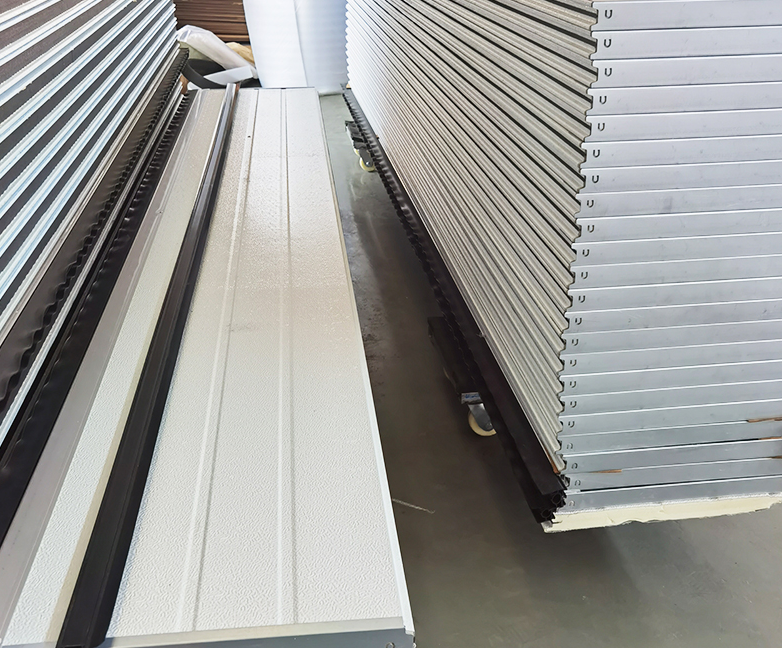
Modern commercial and industrial construction has evolved significantly over the past decades, with building materials becoming more sophisticated and efficient. Among the most revolutionary developments in this sector are sandwich panels, which have transformed how architects and engineers approach building design. These innovative construction materials combine multiple layers to create lightweight yet incredibly strong building components that offer superior insulation properties and structural integrity. The popularity of sandwich panels in commercial and industrial applications stems from their unique ability to deliver exceptional performance across multiple criteria including thermal efficiency, cost-effectiveness, and installation speed.
Understanding Sandwich Panel Construction Technology
Core Material Composition and Engineering
The fundamental design of sandwich panels involves three distinct layers that work together to create a unified structural element. The outer faces typically consist of metal sheets, often made from steel or aluminum, which provide structural strength and weather resistance. Between these metal faces lies the core material, commonly polyurethane foam, expanded polystyrene, or mineral wool, which delivers exceptional insulation properties. This three-layer construction creates a composite material that is significantly stronger than the sum of its individual components, following engineering principles similar to those used in aerospace applications.
The manufacturing process involves carefully bonding these layers under controlled conditions to ensure optimal adhesion and performance. Advanced production techniques ensure that sandwich panels maintain consistent quality and dimensional accuracy, making them ideal for precision construction projects. The core materials are selected based on specific performance requirements, with polyurethane foam offering superior insulation values while mineral wool provides excellent fire resistance characteristics.
Structural Performance and Load-Bearing Capabilities
Sandwich panels demonstrate remarkable structural efficiency due to their composite design, which maximizes strength-to-weight ratios. The metal faces handle tensile and compressive forces while the core material resists shear forces and provides buckling stability. This distribution of structural loads allows sandwich panels to span greater distances with minimal support requirements compared to traditional building materials. Engineering calculations show that properly designed sandwich panels can support significant loads while maintaining deflection within acceptable limits.
The lightweight nature of sandwich panels reduces the overall structural load on building foundations and supporting frameworks, leading to cost savings in other construction elements. This weight advantage becomes particularly important in commercial and industrial applications where large spans and high-capacity loading requirements are common. The structural performance of sandwich panels has been validated through extensive testing and real-world applications across diverse building types and environmental conditions.
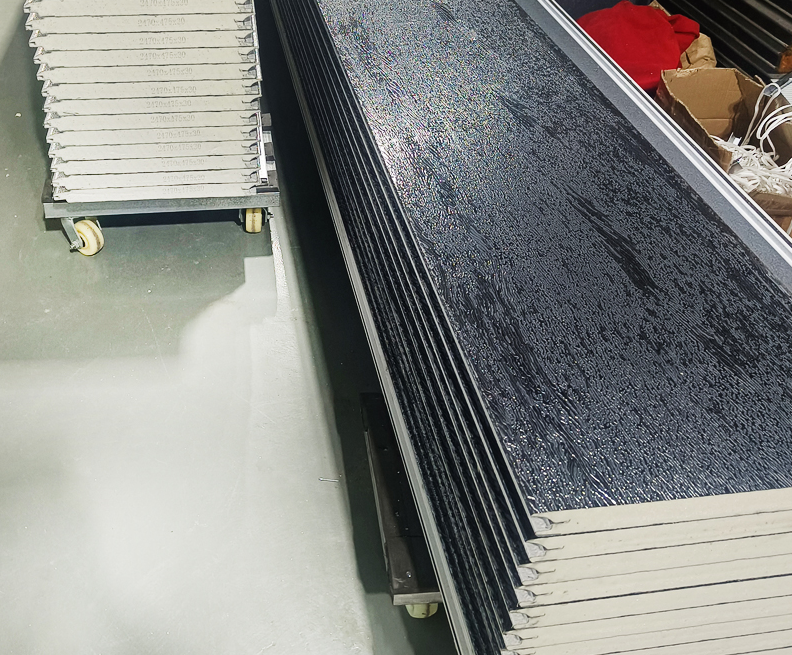
Thermal Insulation and Energy Efficiency Benefits
Advanced Insulation Properties
One of the primary reasons for the widespread adoption of sandwich panels is their exceptional thermal insulation performance. The continuous insulation layer within sandwich panels eliminates thermal bridging, a common problem with traditional construction methods where structural elements create paths for heat transfer. This continuous insulation approach results in significantly lower U-values and improved overall building energy performance. Commercial buildings utilizing sandwich panels often achieve energy ratings that exceed standard building codes and regulations.
The insulation efficiency of sandwich panels translates directly into reduced heating and cooling costs for building operators. Studies have shown that properly installed sandwich panels can reduce energy consumption by up to thirty percent compared to conventional wall systems. This energy efficiency becomes particularly valuable in industrial applications where maintaining specific temperature ranges is critical for manufacturing processes or product storage requirements.
Moisture Control and Vapor Barrier Properties
Effective moisture management represents another crucial advantage of sandwich panels in commercial and industrial construction. The sealed nature of sandwich panels creates an effective vapor barrier that prevents moisture infiltration into the building envelope. This moisture control capability helps prevent condensation problems that can lead to structural damage, mold growth, and indoor air quality issues. The continuous barrier provided by sandwich panels is particularly important in industrial facilities where humidity levels may fluctuate significantly.
Properly designed sandwich panels include appropriate vapor retarders and air barriers that work together to manage moisture transfer. This comprehensive approach to moisture control extends the lifespan of building components and reduces maintenance requirements over time. The moisture management properties of sandwich panels make them especially suitable for applications such as cold storage facilities, food processing plants, and other industrial environments where humidity control is essential.
Installation Speed and Construction Efficiency
Rapid Assembly and Time Savings
The prefabricated nature of sandwich panels enables significantly faster construction schedules compared to traditional building methods. Large panel sections can be manufactured off-site under controlled conditions and then quickly assembled on-site using specialized installation equipment. This approach reduces weather-related delays and allows construction to proceed more predictably. Commercial projects utilizing sandwich panels often complete their building envelope installation in a fraction of the time required for conventional construction methods.
The time savings achieved through sandwich panels translate into reduced labor costs and faster project completion schedules. This speed advantage becomes particularly valuable in commercial and industrial applications where minimizing construction duration is essential for business operations. The ability to quickly enclose building spaces allows other construction activities to proceed simultaneously, further improving overall project efficiency.
Quality Control and Precision Manufacturing
Factory production of sandwich panels ensures consistent quality control that is difficult to achieve with site-built construction methods. Automated manufacturing processes maintain precise dimensional tolerances and ensure uniform material properties across all panel sections. This consistency reduces installation problems and ensures predictable building performance. Quality control measures in sandwich panel manufacturing include regular testing of material properties, adhesion strength, and dimensional accuracy.
The precision manufacturing of sandwich panels also enables better coordination with other building systems and components. Accurate panel dimensions and consistent interface details simplify the integration of windows, doors, and mechanical systems. This precision reduces the need for field modifications and helps maintain the integrity of the building envelope. The controlled manufacturing environment also allows for custom panel configurations that meet specific project requirements while maintaining quality standards.
Cost-Effectiveness and Long-Term Value
Initial Investment and Construction Savings
While sandwich panels may have higher material costs compared to some traditional building materials, the overall project economics often favor their use due to reduced labor requirements and faster construction schedules. The integrated nature of sandwich panels eliminates the need for separate insulation installation, vapor barriers, and some finishing materials. This consolidation of building functions into a single component reduces both material and labor costs while simplifying construction logistics.
The reduced structural requirements enabled by lightweight sandwich panels can result in significant savings in foundation and framework costs. Buildings designed with sandwich panels often require less substantial structural support systems, leading to material savings in concrete, steel, and other structural components. These indirect cost benefits often offset the higher initial material costs of sandwich panels, resulting in favorable overall project economics.
Maintenance and Lifecycle Cost Benefits
The long-term cost advantages of sandwich panels extend well beyond initial construction savings. The durable factory-applied finishes on sandwich panels resist weathering and maintain their appearance with minimal maintenance requirements. This durability reduces ongoing maintenance costs and extends the service life of building exteriors. Industrial facilities using sandwich panels often report significantly lower maintenance expenses compared to buildings constructed with traditional materials.
Energy savings achieved through superior insulation performance continue to provide cost benefits throughout the building's operational life. The reduced heating and cooling costs associated with sandwich panels can result in substantial savings over time, particularly in commercial and industrial applications with high energy usage. These operational cost savings often justify the initial investment in sandwich panels and contribute to improved return on investment for building owners.
Industrial Applications and Performance Requirements
Manufacturing Facility Requirements
Manufacturing facilities place unique demands on building envelope systems, requiring materials that can withstand industrial processes while maintaining controlled interior environments. Sandwich panels excel in these applications due to their ability to provide thermal stability, structural integrity, and resistance to industrial contaminants. The sealed construction of sandwich panels prevents the infiltration of dust, chemicals, and other industrial pollutants that could affect manufacturing processes or product quality.
The fire resistance properties of sandwich panels make them particularly suitable for industrial applications where fire safety is paramount. Mineral wool core sandwich panels provide excellent fire ratings and can help compartmentalize industrial facilities to prevent fire spread. This fire resistance capability is essential in manufacturing environments where flammable materials or high-temperature processes are present. The structural integrity of sandwich panels also maintains under fire conditions, providing valuable time for evacuation and fire suppression activities.
Cold Storage and Temperature-Controlled Environments
Cold storage facilities represent one of the most demanding applications for sandwich panels, requiring exceptional insulation performance and structural stability under extreme temperature differentials. The continuous insulation provided by sandwich panels eliminates thermal bridging that could compromise temperature control in these critical applications. Advanced sandwich panels designed for cold storage applications incorporate specialized core materials and vapor barriers optimized for low-temperature service.
The structural performance of sandwich panels under thermal stress makes them ideal for temperature-controlled environments where dimensional stability is crucial. Traditional construction methods often experience problems with thermal expansion and contraction, leading to joint failures and air leakage. Sandwich panels maintain their structural integrity across wide temperature ranges while preserving the building envelope's thermal performance. This reliability is essential in applications such as pharmaceutical storage, food processing, and other temperature-sensitive industrial processes.
Environmental Impact and Sustainability
Resource Efficiency and Waste Reduction
The manufacturing process for sandwich panels optimizes material usage and minimizes waste generation compared to traditional construction methods. Factory production allows for precise material control and recycling of manufacturing byproducts. The integrated design of sandwich panels also reduces the total quantity of materials required for building construction by eliminating separate insulation, vapor barriers, and some structural components. This material efficiency contributes to reduced environmental impact and lower resource consumption.
The lightweight nature of sandwich panels reduces transportation energy requirements and enables more efficient shipping logistics. Multiple panels can be transported on a single truck load, reducing the number of delivery trips required for construction projects. This transportation efficiency reduces fuel consumption and associated emissions while lowering construction costs. The prefabricated nature of sandwich panels also reduces construction waste at building sites by eliminating cutting and fitting operations that generate scrap materials.
Energy Performance and Carbon Footprint
The superior insulation performance of sandwich panels contributes significantly to building energy efficiency and reduced carbon emissions over the building's operational life. Buildings constructed with sandwich panels typically achieve lower energy consumption for heating and cooling, resulting in reduced greenhouse gas emissions from energy production. This operational energy savings often represents the largest environmental benefit of sandwich panels over their service life.
Lifecycle assessment studies of sandwich panels demonstrate favorable environmental profiles when considering both manufacturing impacts and operational energy savings. The extended service life of sandwich panels also contributes to environmental benefits by reducing the frequency of building renovations and material replacement cycles. Many sandwich panels are also recyclable at the end of their service life, with metal faces suitable for scrap metal recycling and some core materials appropriate for energy recovery applications.
FAQ
How long do sandwich panels typically last in commercial applications
High-quality sandwich panels are designed to provide service lives of twenty-five to thirty years or more when properly installed and maintained. The factory-applied protective coatings on metal faces resist weathering and corrosion, while the core materials maintain their insulation properties over extended periods. Regular inspection and basic maintenance can extend the service life even further, making sandwich panels a long-term investment for commercial and industrial buildings.
Can sandwich panels be used in high-wind and seismic zones
Yes, sandwich panels can be engineered to meet the structural requirements of high-wind and seismic zones through proper design and installation methods. The lightweight nature of sandwich panels actually provides advantages in seismic applications by reducing building mass and associated seismic forces. Specialized connection details and structural support systems can accommodate the specific load requirements of extreme weather conditions and seismic activity.
What fire safety considerations apply to sandwich panels
Fire safety with sandwich panels depends primarily on the core material selection and proper installation practices. Mineral wool core sandwich panels provide excellent fire resistance and are suitable for applications requiring high fire ratings. Proper fire stopping at panel joints and interfaces with other building components is essential for maintaining fire compartmentalization. Building codes provide specific requirements for sandwich panel fire performance based on building occupancy and height restrictions.
How do sandwich panels compare to traditional construction in terms of acoustic performance
Sandwich panels can provide good acoustic performance depending on their design and core material properties. The mass and damping characteristics of sandwich panels help reduce sound transmission, while the core material provides additional acoustic absorption. For applications requiring enhanced acoustic performance, specialized sandwich panels with acoustic cores or additional sound-absorbing layers can be specified to meet specific noise control requirements.