 EN
EN

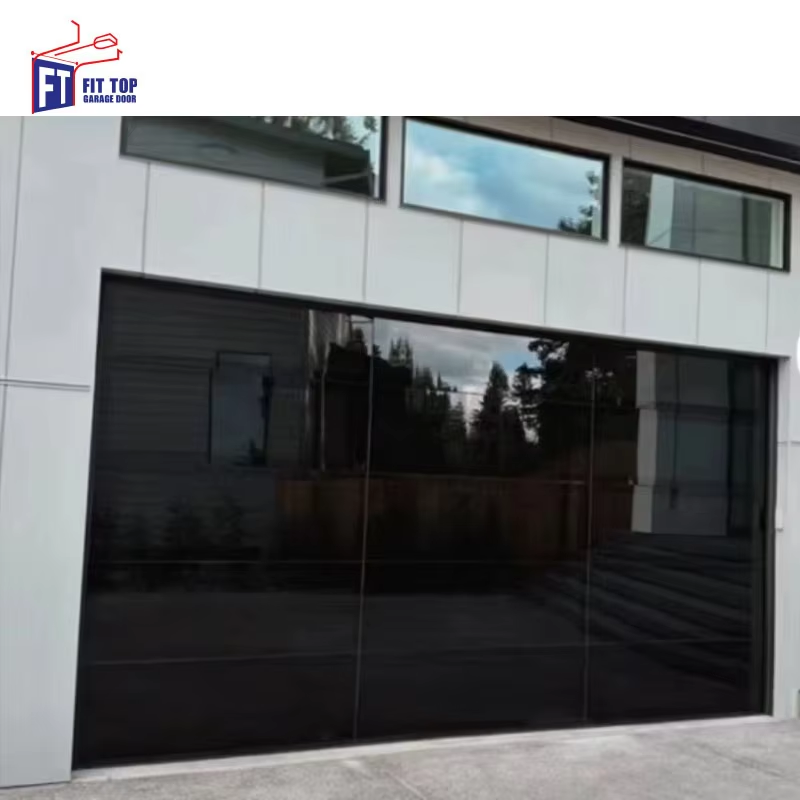
Modern industrial and commercial facilities require entrance solutions that meet specific operational, security, and environmental demands. Sectional door panels have emerged as the preferred choice for businesses seeking versatile, durable, and customizable access control systems. These modular components offer unprecedented flexibility in design, functionality, and performance characteristics, making them suitable for diverse applications across multiple industries. Understanding the customization options available for sectional door panels enables facility managers and architects to select optimal solutions that align with their unique operational requirements.
Material Selection and Construction Options
Steel Construction Benefits
Steel represents the most popular material choice for sectional door panels due to its exceptional strength-to-weight ratio and long-term durability. Galvanized steel panels resist corrosion and maintain structural integrity even in harsh environmental conditions. The thickness of steel panels can be customized ranging from 24-gauge to 16-gauge, depending on security requirements and expected usage frequency. Heavy-duty applications often utilize thicker gauge steel to withstand impacts and provide enhanced security features.
Advanced coating technologies allow steel sectional door panels to feature powder-coated finishes that resist fading, chipping, and weathering. These coatings are available in hundreds of color options, enabling seamless integration with existing architectural elements. Some manufacturers offer specialized coatings designed for specific environments, such as salt-resistant formulations for coastal installations or anti-graffiti treatments for urban locations.
Alternative Material Technologies
Aluminum sectional door panels provide lightweight alternatives for applications where weight reduction is critical. These panels offer excellent corrosion resistance and are particularly suitable for facilities requiring frequent cleaning or exposure to chemicals. Composite materials incorporating fiberglass or polymer components deliver superior insulation properties while maintaining structural strength.
Wood-clad sectional door panels combine the aesthetic appeal of natural materials with the structural benefits of engineered cores. These hybrid solutions are popular in architectural applications where visual harmony with surrounding structures is paramount. Advanced engineering allows wood-clad panels to maintain weather resistance while providing the warmth and texture that traditional materials offer.
Insulation and Thermal Performance Customization
Polyurethane Foam Insulation Systems
Polyurethane foam injection represents the gold standard for insulating sectional door panels. This closed-cell foam provides exceptional thermal resistance while adding structural rigidity to the panel assembly. Foam density can be customized to achieve specific R-values, with options ranging from standard density for moderate climate control to high-density formulations for extreme temperature applications.
The injection process ensures complete foam coverage throughout the panel cavity, eliminating thermal bridges that could compromise energy efficiency. Advanced foam formulations incorporate fire-retardant additives and meet stringent building codes for commercial applications. Some specialized foam systems provide additional acoustic dampening properties, reducing noise transmission through the door system.
Multi-Layer Insulation Approaches
Sophisticated sectional door panels utilize multi-layer insulation systems combining different materials to optimize performance characteristics. These sandwich constructions might incorporate reflective barriers, vapor barriers, and multiple insulation types to achieve superior thermal control. The thickness of insulation layers can be customized from 25mm to 100mm depending on climate requirements and energy efficiency goals.
Advanced thermal break technologies interrupt heat transfer pathways through metal components, significantly improving overall panel performance. These systems are particularly valuable in applications where maintaining precise internal temperatures is critical, such as pharmaceutical storage facilities or food processing plants.
Dimensional and Structural Customization
Panel Size Optimization
Sectional door panels can be manufactured in virtually any dimension to accommodate specific opening requirements. Standard panel widths typically range from 12 to 24 inches in height, but custom configurations allow for larger or smaller panels as needed. Wide opening applications might utilize panels up to 40 feet in width, while specialized installations can incorporate panels as narrow as 6 inches for unique architectural requirements.
Panel thickness customization affects not only insulation properties but also structural performance and wind load resistance. Thicker panels provide greater resistance to deflection and are essential for large openings or high-wind environments. Engineering calculations determine optimal panel thickness based on span requirements, expected loads, and safety factors.
Reinforcement and Structural Enhancement
Heavy-duty applications require enhanced structural features integrated into sectional door panels. Internal reinforcement systems using steel framework or composite materials increase load-bearing capacity and impact resistance. These reinforcements can be strategically positioned to address specific stress points or distributed throughout the panel for overall strength enhancement.
Wind load resistance represents a critical consideration for sectional door panels in exposed locations. Custom reinforcement patterns and structural members enable panels to meet specific wind load requirements, often exceeding standard building codes. Impact-resistant designs incorporate energy-absorbing materials and reinforced edges to withstand accidental collisions or forced entry attempts.

Surface Treatments and Aesthetic Customization
Texture and Pattern Options
Surface texturing of sectional door panels serves both aesthetic and functional purposes. Embossed patterns can simulate wood grain, stone textures, or geometric designs while providing additional structural rigidity. These textures also help hide minor imperfections and reduce the visibility of dirt or scratches that might accumulate during normal operation.
Custom embossing rollers enable manufacturers to create unique patterns specific to particular projects or brand requirements. Deep embossed patterns provide more pronounced visual effects but may require special consideration for cleaning and maintenance. Smooth surfaces offer easier maintenance but might show imperfections more readily.
Color and Finish Customization
Advanced coating systems provide virtually unlimited color options for sectional door panels. Computer-matched colors ensure consistency across large installations and enable precise coordination with architectural color schemes. Specialty finishes including metallic, pearlescent, and textured coatings create distinctive visual effects while maintaining durability.
Multi-color panel systems allow different sections to feature varying colors, creating visual interest or functional coding systems. Some applications utilize color coding to identify different operational zones or security levels. Weather-resistant coatings maintain color integrity even under extreme UV exposure and temperature cycling.
Integration with Access Control Systems
Hardware Mounting Customization
Sectional door panels must accommodate various hardware components including tracks, springs, and operators. Custom mounting configurations ensure optimal hardware placement while maintaining panel strength and appearance. Reinforced mounting areas distribute loads effectively and prevent premature failure of attachment points.
Integration with automated opening systems requires precise positioning of mounting points and consideration of operational forces. Custom brackets and reinforcement plates enable seamless integration with high-cycle operators while maintaining panel integrity throughout the operational life. Specialized mounting systems accommodate retrofit applications where existing hardware must be adapted to new panel configurations.
Smart Technology Integration
Modern sectional door panels can incorporate embedded sensors and communication devices for smart building integration. Custom wire management systems route cables through panel structures without compromising insulation or weather sealing. These integrated systems enable remote monitoring, predictive maintenance, and automated control functions.
Security enhancement features including integrated alarm systems, access control readers, and surveillance camera mounts can be seamlessly incorporated into panel designs. Custom enclosures protect electronic components while maintaining the clean appearance of the door system. Power and data connections utilize weatherproof connectors specifically designed for industrial door applications.
Environmental and Performance Specifications
Weather Sealing and Environmental Protection
Custom weather sealing systems adapt sectional door panels to specific environmental challenges. Coastal installations require enhanced corrosion protection and salt-resistant sealing materials. Desert environments demand UV-resistant seals and thermal expansion accommodation. Industrial facilities might need chemical-resistant sealing systems capable of withstanding aggressive cleaning agents or process chemicals.
Advanced sealing technologies utilize multiple sealing planes and redundant systems to ensure reliable environmental protection. Custom gasket profiles match specific panel edge configurations and operational requirements. Some applications require hermetic sealing capabilities for cleanroom or controlled atmosphere applications.
Fire Rating and Safety Compliance
Fire-rated sectional door panels incorporate specialized materials and construction techniques to meet specific fire resistance requirements. These panels utilize fire-resistant cores, intumescent seals, and specially designed hardware to maintain integrity during fire exposure. Custom fire rating certifications address specific building code requirements and insurance standards.
Safety compliance features including impact resistance, emergency release mechanisms, and visibility panels can be integrated into custom panel designs. Photo-cell integration points, emergency stop systems, and manual override capabilities ensure operator and pedestrian safety while maintaining operational efficiency.
FAQ
What factors determine the optimal thickness for sectional door panels?
Panel thickness selection depends on several critical factors including span requirements, wind load specifications, thermal performance goals, and security needs. Wider openings require thicker panels to prevent deflection, while high-wind environments mandate increased thickness for structural integrity. Thermal performance goals might necessitate thicker insulation cores, and security applications often specify minimum thickness requirements for impact resistance.
How do custom sectional door panels accommodate irregular opening sizes?
Custom manufacturing processes enable sectional door panels to fit virtually any opening configuration. Panels can be manufactured in non-standard widths and heights, with custom end panels accommodating partial dimensions. Advanced engineering software calculates optimal panel sizes to minimize waste while ensuring proper structural performance and operational reliability throughout the door system.
Can sectional door panels be retrofitted with enhanced insulation?
Existing sectional door panels can often be upgraded with enhanced insulation through panel replacement or overlay systems. Replacement panels utilize existing track systems while providing improved thermal performance. Overlay systems add insulation layers to existing panels, though this approach might require track modifications to accommodate increased panel thickness and weight.
What maintenance considerations apply to heavily customized sectional door panels?
Customized sectional door panels require maintenance protocols tailored to specific materials, coatings, and integrated systems. Specialized coatings might need specific cleaning agents or techniques to maintain appearance and performance. Integrated electronics require periodic inspection and calibration, while custom hardware components might need specialized replacement parts and service procedures. Establishing maintenance schedules with qualified service providers ensures optimal performance and longevity.