 EN
EN

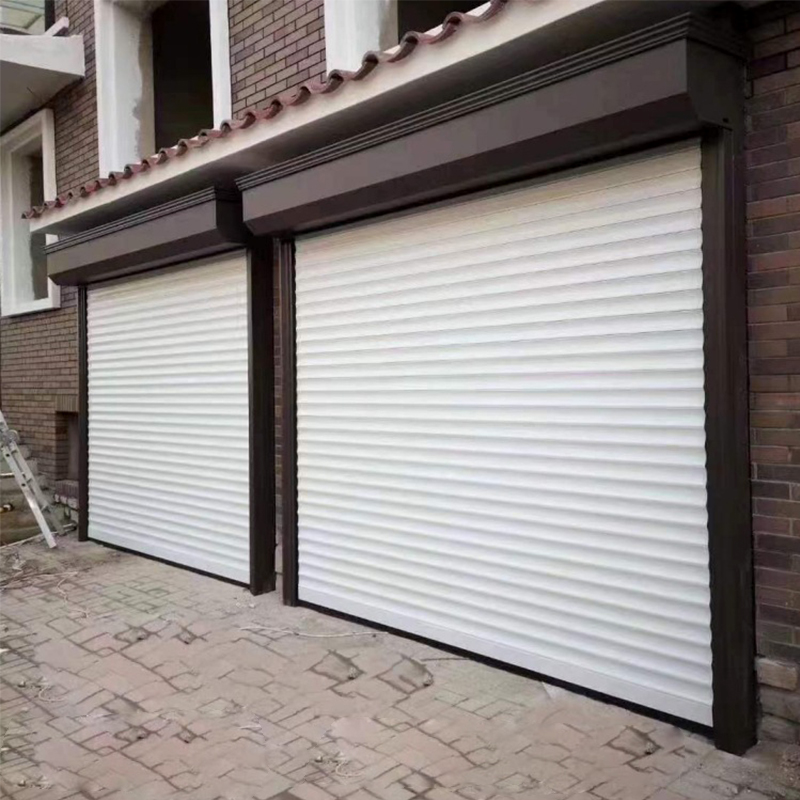
Energy efficiency has become a critical consideration for property owners seeking to reduce utility costs while maintaining comfortable indoor environments. Among the various solutions available, shutter doors have emerged as an effective barrier against energy loss, offering superior insulation properties compared to traditional door systems. These specialized doors provide thermal protection that can significantly impact heating and cooling expenses throughout the year. Modern shutter doors incorporate advanced materials and design features that create effective seals against air infiltration, making them an attractive investment for both residential and commercial applications.
Understanding the Energy-Saving Mechanisms of Shutter Doors
Thermal Barrier Technology
The primary energy-saving capability of shutter doors lies in their thermal barrier construction. Unlike conventional doors that may have minimal insulation, shutter doors feature multiple layers of insulating materials that create an effective buffer against temperature transfer. These doors typically incorporate foam cores, reflective barriers, or air pockets that significantly reduce heat conduction between interior and exterior environments. The thermal resistance provided by quality shutter doors can be substantially higher than standard alternatives, resulting in measurable energy savings.
Advanced shutter doors utilize polyurethane foam insulation, which offers excellent thermal properties while maintaining structural integrity. This foam expands to fill all cavities within the door structure, eliminating thermal bridges that could compromise energy efficiency. The continuous insulation layer created by this process ensures consistent thermal performance across the entire door surface, maximizing energy conservation potential.
Air Sealing Properties
Effective air sealing represents another crucial aspect of energy conservation with shutter doors. These doors are engineered with precision weatherstripping and sealing systems that minimize air infiltration around all edges. The tight seals prevent conditioned air from escaping while blocking outdoor air from entering, reducing the workload on heating and cooling systems. Professional installation ensures proper alignment and seal compression for optimal performance.
The weatherstripping systems used in quality shutter doors often feature multiple sealing mechanisms, including bottom seals, side seals, and top seals that work together to create a comprehensive barrier. These sealing systems are designed to maintain their effectiveness over time, providing consistent energy savings throughout the door's service life. Regular maintenance of these seals ensures continued optimal performance and energy efficiency.
Insulation Benefits for Different Climate Conditions
Cold Climate Performance
In cold climates, shutter doors provide critical protection against heat loss, which can represent a significant portion of overall energy consumption. The insulating properties of these doors help maintain stable indoor temperatures, reducing the frequency and intensity of heating system operation. The thermal mass of insulated shutter doors also contributes to temperature stability by storing and releasing heat gradually, creating a buffering effect against temperature fluctuations.
Winter performance of shutter doors is particularly beneficial in regions with extreme temperature variations. The superior R-value of insulated shutter doors compared to uninsulated alternatives can result in substantial heating cost reductions. Property owners often report noticeable improvements in comfort levels and energy bills after upgrading to quality insulated shutter doors in cold climate applications.
Hot Climate Advantages
For properties in hot climates, shutter doors offer excellent protection against heat gain, helping maintain cooler indoor temperatures and reducing cooling system demands. The reflective properties of many shutter doors help reject solar heat gain, while the insulation prevents conducted heat transfer through the door structure. This dual protection mechanism can significantly reduce air conditioning costs during peak summer months.
The thermal performance of shutter doors in hot climates extends beyond simple temperature control. By maintaining more stable indoor temperatures, these doors help reduce thermal stress on building systems and occupants. The reduced temperature fluctuations can also contribute to improved indoor air quality by minimizing condensation issues and reducing the need for excessive air conditioning operation.
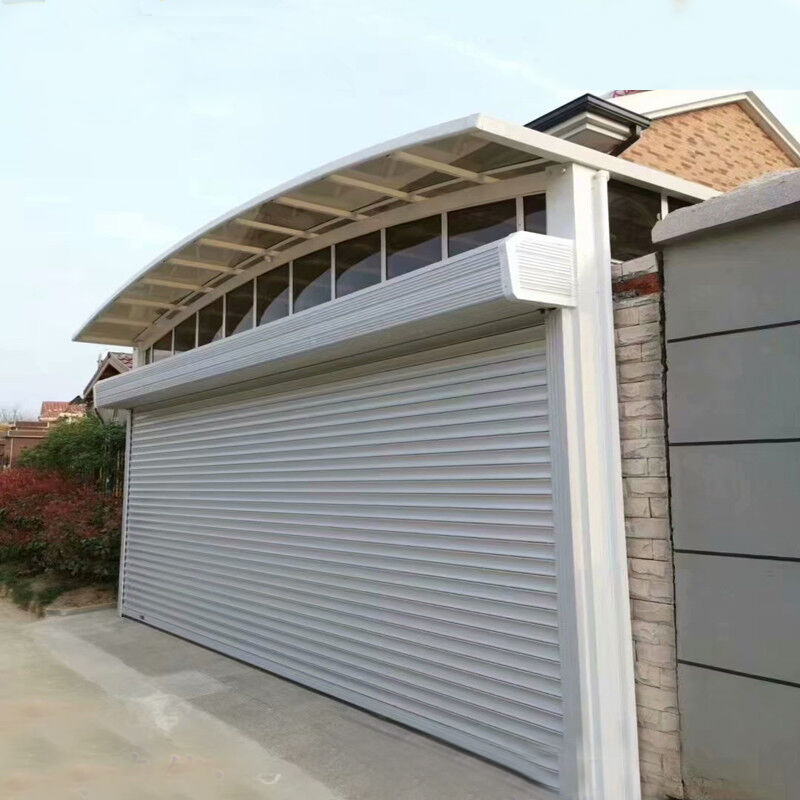
Installation Considerations for Maximum Energy Efficiency
Proper Sizing and Fit
Achieving optimal energy performance from shutter doors requires careful attention to sizing and installation procedures. Proper measurements ensure that the door fits the opening precisely, minimizing gaps that could compromise thermal performance. Professional installation teams use specialized tools and techniques to achieve the tight tolerances necessary for maximum energy efficiency. Even small gaps around the door perimeter can significantly impact overall thermal performance.
Custom sizing options for shutter doors ensure optimal fit for various opening sizes and configurations. This customization capability allows property owners to achieve maximum energy efficiency regardless of their specific dimensional requirements. Professional measurement services help ensure accurate sizing and optimal performance outcomes.
Integration with Building Systems
Effective integration of shutter doors with existing building systems maximizes energy conservation potential. This includes coordination with insulation systems, vapor barriers, and structural elements to create a comprehensive thermal envelope. Proper integration prevents thermal bridging and ensures that the energy-saving benefits of shutter doors are fully realized throughout the building structure.
The installation process for energy-efficient shutter doors often involves coordination with other building trades to ensure optimal system performance. This collaborative approach helps identify and address potential thermal weak points before they impact energy efficiency. Professional installers understand these integration requirements and can provide guidance on achieving optimal results.
Material Technologies and Energy Performance
Steel Construction Benefits
Steel shutter doors offer excellent durability while providing superior thermal performance when properly insulated. The strength of steel construction allows for thicker insulation cores without compromising structural integrity, resulting in higher R-values and better energy conservation. Steel doors also provide excellent air sealing capabilities when equipped with appropriate weatherstripping systems, contributing to overall energy efficiency.
Modern steel shutter doors incorporate thermal breaks and advanced insulation technologies that minimize heat transfer through the metal components. These design features prevent the steel frame from acting as a thermal conductor, ensuring that the insulation properties of the door remain effective. The longevity of steel construction also means that energy savings benefits continue over extended periods without degradation.
Composite and Alternative Materials
Alternative materials used in shutter doors construction can offer unique energy efficiency advantages depending on specific application requirements. Composite materials often provide inherently low thermal conductivity while offering excellent durability and weather resistance. These materials can be engineered to optimize thermal performance while meeting other functional requirements such as security and maintenance considerations.
Advanced composite shutter doors may incorporate multiple material layers, each optimized for specific performance characteristics. This multi-layer approach allows designers to maximize insulation properties while maintaining structural strength and weather resistance. The result is shutter doors that deliver exceptional energy efficiency while meeting demanding performance requirements in various environmental conditions.
Cost-Benefit Analysis of Energy-Efficient Shutter doors
Initial Investment Considerations
The initial cost of high-quality insulated shutter doors represents a significant investment that must be evaluated against long-term energy savings potential. While premium shutter doors may require higher upfront expenditure compared to basic alternatives, the energy conservation benefits often justify this investment over time. Property owners should consider factors such as local energy costs, climate conditions, and usage patterns when evaluating the economic benefits of energy-efficient shutter doors.
Financing options and incentive programs may be available to help offset the initial cost of energy-efficient shutter doors. Many utility companies and government agencies offer rebates or tax incentives for energy-saving improvements, making high-performance shutter doors more affordable. These programs recognize the environmental benefits of reduced energy consumption and encourage property owners to invest in efficient building systems.
Long-Term Savings Potential
The long-term savings potential of energy-efficient shutter doors can be substantial, particularly in properties with high heating or cooling demands. Energy savings typically compound over time as utility rates increase, making the initial investment increasingly valuable. Many property owners report payback periods of several years for premium insulated shutter doors, after which the energy savings represent pure cost reduction.
Beyond direct energy cost savings, efficient shutter doors can contribute to reduced maintenance costs for heating and cooling systems by reducing their operating hours and thermal stress. This secondary benefit extends equipment life and reduces service requirements, adding to the overall value proposition of energy-efficient shutter doors. Property value improvements may also result from energy efficiency upgrades, providing additional return on investment.
Maintenance Requirements for Sustained Performance
Routine Care and Inspection
Maintaining optimal energy efficiency from shutter doors requires regular inspection and maintenance of key components. Weatherstripping systems should be inspected periodically for wear, damage, or compression loss that could compromise sealing effectiveness. Door hardware, including hinges, tracks, and operators, should be maintained according to manufacturer specifications to ensure proper operation and sealing performance.
Seasonal maintenance routines help ensure that shutter doors continue to provide maximum energy efficiency throughout their service life. This includes cleaning and lubricating moving components, checking seal integrity, and addressing any issues that could impact thermal performance. Proactive maintenance prevents minor problems from developing into major efficiency losses or costly repairs.
Performance Monitoring and Optimization
Monitoring the energy performance of shutter doors helps identify optimization opportunities and maintenance needs before they significantly impact efficiency. This may involve tracking energy consumption patterns, monitoring indoor temperature stability, or conducting thermal imaging inspections to identify potential air leakage or insulation issues. Regular performance assessments help ensure that shutter doors continue to deliver expected energy savings.
Professional energy audits can provide detailed assessments of shutter doors performance and identify specific improvement opportunities. These assessments may reveal installation issues, maintenance needs, or upgrade possibilities that could enhance energy efficiency. Investing in professional evaluation services helps maximize the long-term value and performance of energy-efficient shutter doors systems.
FAQ
How much energy can quality shutter doors save compared to standard doors?
Quality insulated shutter doors can reduce energy consumption by 15-30% compared to uninsulated alternatives, depending on climate conditions, usage patterns, and overall building efficiency. The exact savings depend on factors such as door size, insulation R-value, installation quality, and local energy costs. Properties in extreme climates typically see the greatest energy savings from upgrading to high-performance shutter doors.
What R-value should I look for in energy-efficient shutter doors?
For optimal energy efficiency, look for shutter doors with R-values of 12-18 or higher. Higher R-values indicate better insulation properties and greater energy savings potential. The appropriate R-value depends on your local climate conditions, with colder regions benefiting from higher insulation values. Professional consultation can help determine the optimal insulation level for your specific application and budget.
Do energy-efficient shutter doors require special installation procedures?
Yes, energy-efficient shutter doors require precise installation to achieve optimal thermal performance. This includes proper weatherstripping installation, accurate alignment, appropriate seal compression, and integration with building thermal barriers. Professional installation is highly recommended to ensure that energy efficiency benefits are fully realized and that warranty requirements are met.
How long do the energy-saving benefits of shutter doors typically last?
With proper maintenance, the energy-saving benefits of quality shutter doors can last 15-25 years or more. The insulation properties of the door core typically remain stable throughout this period, while weatherstripping and sealing components may require periodic replacement to maintain peak efficiency. Regular maintenance helps ensure sustained energy performance throughout the door's service life.
Table of Contents
- Understanding the Energy-Saving Mechanisms of Shutter Doors
- Insulation Benefits for Different Climate Conditions
- Installation Considerations for Maximum Energy Efficiency
- Material Technologies and Energy Performance
- Cost-Benefit Analysis of Energy-Efficient Shutter doors
- Maintenance Requirements for Sustained Performance
- FAQ