 EN
EN

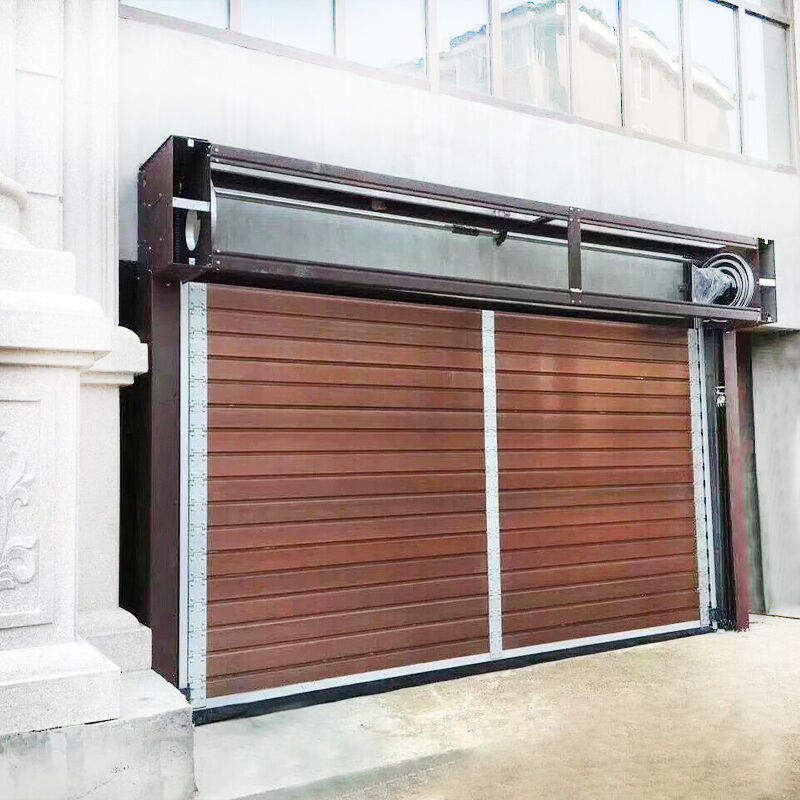
Industrial facilities and commercial properties rely heavily on shutter doors to maintain security, control environmental conditions, and facilitate smooth operations. These versatile barriers serve as critical components in warehouses, manufacturing plants, retail establishments, and residential garages worldwide. Proper maintenance of shutter doors ensures optimal performance, extends their operational lifespan, and prevents costly emergency repairs that can disrupt business operations.
Understanding the fundamental aspects of shutter doors maintenance requires knowledge of their mechanical components, operational mechanisms, and environmental factors that affect performance. Regular maintenance protocols prevent premature wear, reduce operational costs, and maintain the security integrity these systems provide. Modern shutter doors incorporate advanced materials and engineering principles that demand specific care approaches to achieve maximum efficiency and reliability.
Essential Components of Shutter Door Systems
Track and Guide Rail Mechanisms
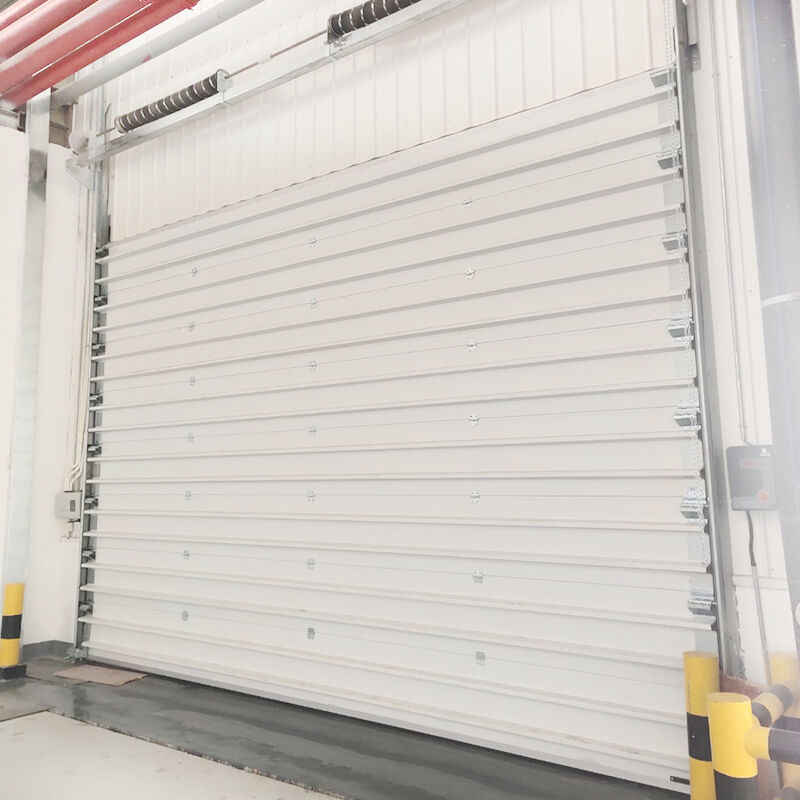
The track system forms the foundation of shutter doors functionality, guiding the door panels through their opening and closing cycles. These rails must remain clean, properly aligned, and free from debris that could cause binding or irregular movement. Regular inspection of track components reveals early signs of wear, misalignment, or damage that could escalate into major operational issues.
Lubrication of track mechanisms requires specific products designed for heavy-duty applications, ensuring smooth operation under varying load conditions. Track alignment affects the entire system performance, influencing door balance, operational noise levels, and component wear patterns. Professional assessment of track conditions should occur quarterly in high-usage environments and semi-annually in standard applications.
Motor and Drive Assembly Components
Electric motor systems powering shutter doors require systematic maintenance to preserve their operational efficiency and prevent unexpected failures. Motor housings need protection from environmental contaminants, while electrical connections require regular inspection for corrosion, loose connections, or insulation deterioration. Drive mechanisms, including chains, belts, and gear assemblies, demand specific maintenance schedules based on usage frequency and operational conditions.
Monitoring motor performance indicators such as operational noise, vibration patterns, and power consumption helps identify developing issues before they result in system failures. Regular cleaning of motor ventilation systems prevents overheating, while proper lubrication of drive components ensures smooth power transmission and reduces mechanical stress on connected systems.
Preventive Maintenance Strategies
Daily Operational Inspections
Implementing daily visual inspections of shutter doors creates an early warning system for potential problems while maintaining optimal operational standards. These inspections should focus on obvious signs of damage, unusual operational noises, irregular movement patterns, or security compromises. Staff training for basic inspection procedures ensures consistent monitoring without requiring specialized technical expertise.
Documentation of daily inspection results creates valuable maintenance records that help identify patterns, predict component replacement needs, and support warranty claims when necessary. Simple checklists guide inspectors through systematic evaluation processes, ensuring comprehensive coverage of critical system elements during routine operational periods.
Weekly Maintenance Procedures
Weekly maintenance routines address components that require more detailed attention than daily inspections provide, including lubrication points, safety device testing, and performance verification procedures. These procedures typically require minimal technical expertise but provide significant impact on system reliability and operational efficiency. Consistent weekly maintenance prevents minor issues from developing into costly repairs or safety hazards.
Testing emergency stop functions, manual override capabilities, and safety sensors ensures that shutter doors maintain their protective functions under all operational scenarios. Cleaning procedures remove accumulated debris, environmental contaminants, and operational residues that could affect performance or accelerate component deterioration over time.
Professional Service Requirements
Quarterly Professional Inspections
Professional technicians provide comprehensive evaluations of shutter doors systems that exceed the capabilities of routine maintenance procedures. These inspections utilize specialized tools, diagnostic equipment, and technical expertise to identify developing issues that might not be apparent during standard operational use. Quarterly professional service maintains manufacturer warranty requirements while ensuring optimal system performance.
Professional inspections include electrical system testing, mechanical component measurements, safety device calibration, and performance optimization adjustments. These services often identify potential problems months before they would become apparent through routine operations, allowing for planned maintenance rather than emergency repairs that disrupt business operations.
Annual Comprehensive Service Programs
Annual comprehensive maintenance represents the most thorough level of shutter doors service, involving complete system evaluation, component replacement schedules, and performance optimization procedures. These programs typically include detailed reporting, component lifecycle analysis, and recommendations for system upgrades or modifications that could improve operational efficiency.
Comprehensive annual service programs often provide cost savings through bundled service pricing, priority scheduling for emergency repairs, and extended warranty coverage on serviced components. These programs establish long-term relationships with qualified service providers who become familiar with specific system requirements and operational environments.
Common Maintenance Challenges and Solutions
Environmental Impact Management
Environmental conditions significantly affect shutter doors performance and maintenance requirements, with factors such as humidity, temperature variations, salt exposure, and industrial contaminants creating specific challenges. Coastal environments require enhanced corrosion protection measures, while extreme temperature variations demand specialized lubrication products and thermal expansion considerations.
Industrial environments with chemical exposure, dust accumulation, or high-moisture conditions require modified maintenance schedules and specialized protective measures. Understanding environmental impacts allows for proactive maintenance adjustments that prevent accelerated component deterioration and maintain reliable operation under challenging conditions.
Usage Pattern Optimization
High-frequency operations place additional stress on shutter doors components, requiring accelerated maintenance schedules and enhanced component specifications. Analyzing usage patterns helps optimize maintenance timing, identify components requiring more frequent attention, and plan replacement schedules that minimize operational disruptions during critical business periods.
Operational efficiency improvements through proper maintenance reduce energy consumption, operational noise, and component wear rates. These improvements often provide measurable returns on maintenance investments through reduced operational costs and extended system lifespans that defer capital replacement expenses.
Safety and Compliance Considerations
Regulatory Compliance Requirements
Shutter doors installations must comply with various safety regulations, building codes, and industry standards that mandate specific maintenance procedures and inspection frequencies. Understanding applicable regulations ensures that maintenance programs meet legal requirements while protecting facility operators from liability concerns related to equipment failures or safety incidents.
Documentation requirements for regulatory compliance often overlap with effective maintenance record-keeping practices, creating systems that serve multiple purposes while ensuring comprehensive coverage of safety and performance requirements. Regular updates to compliance requirements necessitate ongoing evaluation of maintenance procedures and documentation practices.
Safety Device Maintenance
Safety devices integrated into shutter doors systems require specialized maintenance procedures to ensure reliable operation during emergency situations. These devices include emergency stops, photoelectric sensors, pressure-sensitive edges, and manual override mechanisms that must function correctly to prevent accidents or equipment damage during abnormal operational conditions.
Testing procedures for safety devices should simulate actual emergency conditions while ensuring that tests do not compromise normal operations or create safety hazards. Regular calibration of sensor systems maintains their sensitivity and response characteristics, while mechanical safety devices require inspection for proper adjustment and mechanical integrity.
Cost-Effective Maintenance Planning
Budget Development and Resource Allocation
Effective maintenance planning for shutter doors requires realistic budget development that accounts for routine maintenance costs, component replacement schedules, and contingency reserves for unexpected repairs. Understanding the relationship between maintenance investment and system reliability helps optimize resource allocation while avoiding costly emergency situations.
Long-term maintenance planning considers component lifecycles, technological improvements, and facility expansion plans that might affect maintenance requirements. This planning approach enables strategic decision-making regarding system upgrades, replacement timing, and maintenance contract structures that provide optimal value over extended periods.
Maintenance Contract Evaluation
Professional maintenance contracts for shutter doors systems offer advantages including predictable costs, guaranteed response times, and access to specialized expertise that might not be available internally. Evaluating contract options requires understanding service scope, performance guarantees, and cost structures that align with specific operational requirements and budget constraints.
Contract evaluation should consider factors such as service provider reputation, technical capabilities, parts availability, and emergency response capabilities. Long-term contracts often provide cost advantages while ensuring consistent service quality, but require careful evaluation of terms and performance standards that protect facility operators' interests.
Technology Integration and Monitoring
Automated Monitoring Systems
Modern shutter doors can incorporate automated monitoring systems that track operational parameters, detect developing problems, and schedule maintenance activities based on actual system conditions rather than predetermined time intervals. These systems provide valuable data for optimizing maintenance schedules while reducing unnecessary service interventions.
Integration with facility management systems creates comprehensive monitoring capabilities that alert operators to potential problems before they affect operations. Remote monitoring capabilities enable service providers to assess system conditions and plan maintenance activities more efficiently, reducing service costs while improving system reliability.
Performance Analytics and Optimization
Data analytics from shutter doors monitoring systems provide insights into usage patterns, component performance trends, and optimization opportunities that traditional maintenance approaches cannot achieve. This information supports evidence-based decision-making regarding maintenance schedules, component specifications, and system modifications that improve overall performance.
Performance optimization through data analysis often reveals opportunities for energy savings, operational efficiency improvements, and component lifecycle extensions that provide measurable returns on monitoring system investments. These capabilities become increasingly valuable as facilities seek to optimize operational costs while maintaining high reliability standards.
FAQ
How often should shutter doors undergo professional maintenance
Professional maintenance frequency for shutter doors depends on usage intensity, environmental conditions, and manufacturer recommendations, but typically ranges from quarterly to semi-annual intervals. High-usage commercial applications may require more frequent professional service, while residential installations might need annual professional maintenance combined with regular owner-performed inspections.
What are the most common signs that shutter doors need immediate attention
Warning signs requiring immediate attention include unusual operational noises, irregular movement patterns, visible component damage, increased operational effort, or safety device malfunctions. These symptoms often indicate developing problems that could result in complete system failure or safety hazards if not addressed promptly by qualified service personnel.
Can facility staff perform basic maintenance on shutter doors systems
Facility staff can safely perform basic maintenance tasks such as visual inspections, cleaning, and simple lubrication procedures with proper training and appropriate tools. However, electrical work, major adjustments, and safety device testing should be reserved for qualified technicians to ensure safety compliance and maintain warranty coverage.
What factors affect the lifespan of shutter doors components
Component lifespan depends on usage frequency, environmental conditions, maintenance quality, installation accuracy, and component specifications. Proper maintenance can significantly extend component life, while neglected systems may experience premature failures that necessitate costly repairs or complete system replacement much sooner than expected.