 EN
EN
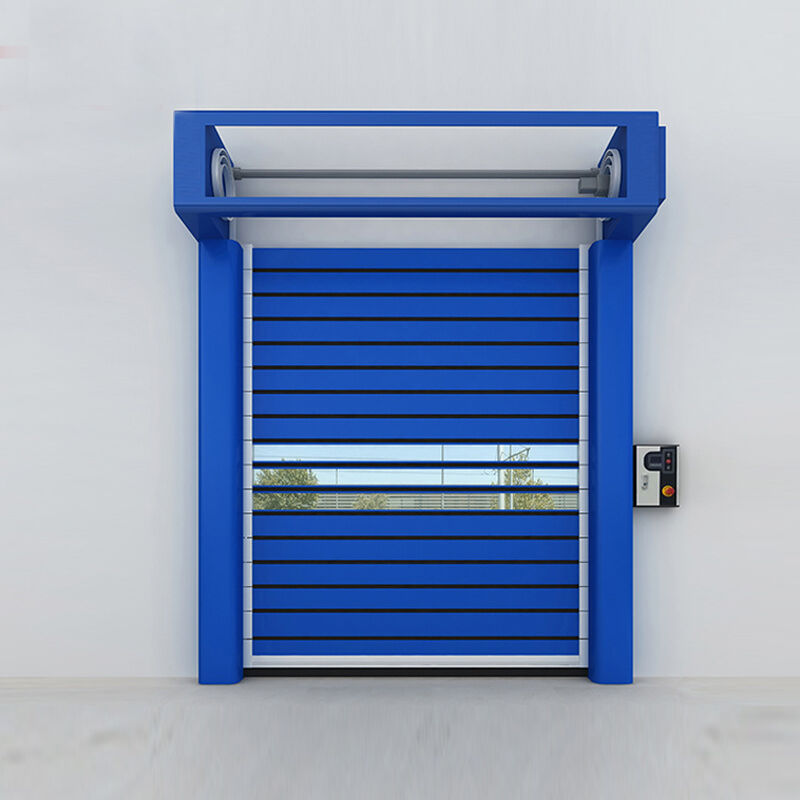
Modern industrial and commercial facilities demand garage door solutions that maximize space efficiency while delivering reliable performance. Sliding folding garage doors have emerged as innovative alternatives to conventional overhead systems, offering unique advantages for businesses seeking optimal space utilization. These specialized door systems combine the compactness of sliding mechanisms with the flexibility of folding panels, creating solutions that address specific operational challenges faced by warehouses, manufacturing facilities, and commercial buildings.
The growing popularity of sliding folding garage doors stems from their ability to provide maximum opening width while requiring minimal ceiling clearance. Unlike traditional overhead doors that need substantial headroom for track installation and door panel storage, these innovative systems operate horizontally, making them ideal for facilities with height restrictions or overhead obstructions such as sprinkler systems, lighting fixtures, or HVAC equipment.
Space Efficiency and Installation Requirements
Ceiling Clearance Advantages
Traditional garage doors typically require between 12 to 18 inches of overhead clearance for proper installation and operation. This requirement often creates challenges in buildings with low ceilings or extensive overhead infrastructure. Sliding folding garage doors eliminate this constraint by operating on horizontal tracks mounted at door header height, requiring minimal overhead space beyond the basic structural support needed for track installation.
The horizontal operation mechanism allows these doors to function effectively even in spaces where conventional overhead systems would be impractical or impossible to install. This advantage proves particularly valuable in retrofit applications where existing buildings lack adequate ceiling height for traditional door systems. Facilities can maintain full use of their vertical space for storage, equipment installation, or operational activities without compromising door functionality.
Modern sliding folding garage doors incorporate advanced engineering designs that distribute weight evenly across the track system, reducing structural load requirements on building frameworks. This characteristic enables installation in structures that might not support the concentrated loads associated with traditional overhead door systems and their supporting infrastructure.
Horizontal Space Management
While sliding folding garage doors excel in vertical space efficiency, they do require adequate horizontal clearance for panel storage when opened. The folding mechanism allows panels to stack compactly against one side of the opening, but facility managers must ensure sufficient wall space exists for door operation. Typically, these systems require clearance equal to approximately 25 to 35 percent of the door width for complete opening.
Strategic planning during the design phase helps optimize horizontal space usage. Many facilities incorporate dedicated alcoves or recessed areas adjacent to door openings specifically to accommodate sliding folding garage doors in their fully opened position. This approach maximizes usable floor space while ensuring unobstructed door operation throughout the facility's operational lifecycle.
The compact stacking characteristic of sliding folding garage doors becomes particularly advantageous in facilities where multiple door systems operate in proximity. Traditional overhead doors require significant clearance zones for safe operation, potentially limiting equipment placement and workflow efficiency. The predictable horizontal operation pattern of folding systems allows for more precise space planning and improved facility layout optimization.
Operational Performance and Functionality
Opening Speed and Efficiency
Sliding folding garage doors typically operate faster than traditional overhead systems due to their horizontal movement mechanism and reduced panel weight distribution. The folding action allows multiple panels to move simultaneously, creating rapid opening sequences that minimize waiting times for vehicle and equipment access. Most commercial-grade systems achieve full opening in 15 to 25 seconds, compared to 30 to 45 seconds for comparable traditional overhead doors.
Advanced motor systems integrated with sliding folding garage doors provide precise speed control and positioning accuracy. Variable frequency drives allow operators to adjust opening and closing speeds based on specific operational requirements, weather conditions, or safety considerations. This flexibility proves valuable in facilities where different door cycles demand varying operational speeds throughout daily operations.
The mechanical advantage created by the folding mechanism reduces motor load requirements, resulting in lower energy consumption and extended system lifespan. Electric sliding folding garage doors often operate using smaller, more efficient motor systems compared to traditional overhead doors covering similar opening sizes, contributing to reduced operational costs and improved environmental sustainability.
Weather Sealing and Insulation Properties
Modern sliding folding garage doors incorporate sophisticated sealing systems that create effective barriers against weather infiltration, dust, and environmental contaminants. Multiple seal points between folding panels, combined with perimeter sealing around the door frame, provide comprehensive protection that often exceeds traditional overhead door performance in challenging environmental conditions.
Thermal insulation properties of sliding folding garage doors vary based on panel construction and insulation core materials. High-performance systems feature insulated panels with thermal breaks that minimize heat transfer, contributing to improved facility energy efficiency. The multiple seal points inherent in folding panel designs create additional thermal barriers that enhance overall insulation performance compared to single-panel traditional doors.
Wind load resistance capabilities of sliding folding garage doors often surpass traditional overhead systems due to their structural design and anchoring methods. The horizontal track system distributes wind forces across the entire door width, while the folding panel configuration provides inherent flexibility that accommodates building movement without compromising structural integrity or operational reliability.
Maintenance Requirements and Durability
Routine Maintenance Protocols
Sliding folding garage doors require systematic maintenance focused primarily on track systems, folding mechanisms, and sealing components. The horizontal track configuration allows for easier access during maintenance procedures compared to traditional overhead systems that often require specialized equipment for high-level track inspection and service. Regular cleaning of track channels prevents debris accumulation that could impair smooth door operation.
Lubrication schedules for sliding folding garage doors typically involve monthly application of appropriate lubricants to pivot points, roller assemblies, and track surfaces. The multiple moving components in folding systems require consistent attention to maintain optimal performance, but the accessibility of these components simplifies routine maintenance tasks. Proper lubrication significantly extends component lifespan and ensures reliable daily operation.
Preventive maintenance programs should include regular inspection of panel alignment, sealing integrity, and motor system performance. The modular nature of sliding folding garage doors allows for individual panel service or replacement without disrupting the entire system, reducing maintenance downtime and associated operational costs. This characteristic proves particularly valuable in facilities where continuous door access remains critical for business operations.
Component Longevity and Replacement
The distributed load characteristics of sliding folding garage doors contribute to extended component lifespan compared to traditional overhead systems where concentrated stress points often lead to premature wear. Individual panels in folding systems experience relatively uniform stress distribution, reducing the likelihood of catastrophic failures and enabling predictable replacement scheduling based on usage patterns and environmental factors.
Track systems in sliding folding garage doors typically demonstrate exceptional durability due to their heavy-duty construction and horizontal orientation that minimizes stress concentration. Quality track materials such as galvanized steel or aluminum alloys provide corrosion resistance and structural stability throughout extended service periods. Proper installation and regular maintenance often result in track system lifespans exceeding 20 years in typical commercial applications.
Motor and drive systems for sliding folding garage doors benefit from reduced operational stress due to the mechanical advantages inherent in folding panel designs. Lower power requirements and smoother operational cycles contribute to extended motor lifespan and reduced maintenance frequency. Many commercial installations report motor system service intervals of 10 to 15 years with proper maintenance protocols and appropriate usage patterns.
Cost Analysis and Return on Investment
Initial Investment Considerations
The upfront cost of sliding folding garage doors typically exceeds traditional overhead systems by 20 to 40 percent, depending on size, features, and installation complexity. This premium reflects the sophisticated engineering, precision manufacturing, and specialized hardware required for reliable folding panel operation. However, the initial investment must be evaluated within the context of long-term operational benefits and facility-specific requirements that may justify the additional expense.
Installation costs for sliding folding garage doors often prove more predictable than traditional systems due to simplified structural requirements and reduced overhead clearance needs. Facilities with challenging installation conditions may actually experience cost savings during installation phases, particularly in retrofit applications where traditional overhead systems would require extensive structural modifications or ceiling height adjustments.
Customization options available with sliding folding garage doors can influence total project costs but provide opportunities to optimize system performance for specific applications. Features such as integrated windows, specialized sealing systems, or enhanced security hardware add value that may justify increased investment based on operational requirements and facility-specific needs.
Long-term Operational Savings
Energy efficiency advantages of sliding folding garage doors contribute to measurable operational cost reductions over system lifespans. Improved sealing performance reduces heating and cooling costs, while efficient motor systems consume less electricity during daily operations. Many facilities report energy savings of 10 to 25 percent compared to traditional overhead door systems, creating substantial cost benefits over time.
Reduced maintenance requirements and extended component lifespans associated with sliding folding garage doors generate significant cost savings throughout operational periods. Lower frequency of service calls, reduced replacement part requirements, and decreased system downtime contribute to improved total cost of ownership compared to traditional alternatives. These factors often offset higher initial investments within 5 to 8 years of operation.
Productivity improvements resulting from faster operation speeds and improved reliability of sliding folding garage doors create indirect cost benefits through enhanced operational efficiency. Reduced waiting times for door cycles, minimized equipment delays, and improved workflow continuity contribute to measurable productivity gains that support positive return on investment calculations for most commercial applications.
Application-Specific Advantages
Industrial and Manufacturing Environments
Manufacturing facilities benefit significantly from the space efficiency characteristics of sliding folding garage doors, particularly in applications where overhead crane systems, conveyor networks, or extensive utility installations limit ceiling clearance. These doors enable maximum facility utilization while maintaining essential access for material handling, equipment movement, and emergency egress requirements.
The rapid operation capabilities of sliding folding garage doors prove valuable in manufacturing environments where frequent door cycles support production efficiency. Climate-controlled facilities particularly benefit from reduced air exchange during door operations, helping maintain consistent environmental conditions essential for precision manufacturing processes or sensitive product handling.
Dust and contamination control advantages offered by the superior sealing characteristics of sliding folding garage doors make them ideal for clean manufacturing environments or facilities processing sensitive materials. The multiple seal points and precision panel alignment minimize infiltration of external contaminants that could compromise product quality or manufacturing processes.
Commercial and Retail Applications
Retail distribution centers and commercial warehouses often specify sliding folding garage doors to maximize loading dock efficiency and improve customer service capabilities. The wide, unobstructed openings facilitate rapid loading and unloading operations while the compact storage characteristics preserve valuable warehouse space for inventory management and material handling equipment operation.
Security advantages of sliding folding garage doors appeal to commercial applications requiring enhanced access control and theft protection. The robust construction and multiple locking points available with folding panel systems provide superior security compared to traditional overhead doors, while integrated access control systems enable sophisticated monitoring and control capabilities essential for commercial operations.
Aesthetic considerations increasingly influence commercial door selection decisions, and sliding folding garage doors offer superior appearance and architectural integration opportunities. The clean lines, customizable finishes, and window integration options allow these systems to complement building designs while maintaining essential functional performance requirements.
FAQ
How much horizontal clearance do sliding folding garage doors require
Sliding folding garage doors typically require horizontal clearance equal to 25 to 35 percent of the total door width for complete opening. This space accommodates the stacked panels when the door is fully opened. For example, a 20-foot wide door would need approximately 5 to 7 feet of clear wall space adjacent to the opening. Proper planning during design phases ensures adequate clearance while optimizing facility layout efficiency.
What maintenance schedule should be followed for sliding folding garage doors
Recommended maintenance includes monthly lubrication of all moving components, quarterly track cleaning and inspection, and semi-annual comprehensive system evaluation. Professional service should be scheduled annually to verify motor performance, sealing integrity, and safety system functionality. Regular maintenance protocols significantly extend system lifespan and ensure reliable daily operations throughout the door's service life.
Can sliding folding garage doors operate in extreme weather conditions
Quality sliding folding garage doors are engineered to operate reliably in diverse weather conditions including high winds, temperature extremes, and heavy precipitation. Wind-rated systems can withstand hurricane-force conditions while maintaining structural integrity. Cold weather packages and heating elements enable operation in sub-zero temperatures, making these doors suitable for facilities in challenging climatic regions.
How do energy costs compare between sliding folding and traditional garage doors
Sliding folding garage doors typically consume 15 to 30 percent less energy than traditional overhead systems due to efficient motor designs and superior sealing performance. The improved thermal barriers and reduced air infiltration characteristics help maintain consistent interior temperatures, reducing heating and cooling costs. Most facilities experience measurable energy savings within the first year of operation, contributing to positive return on investment calculations.