 EN
EN

The construction industry has witnessed remarkable evolution in building materials, with sandwich panels emerging as one of the most versatile and efficient solutions for modern construction projects. These innovative composite materials have revolutionized how architects, engineers, and contractors approach building design, offering exceptional performance characteristics that traditional materials often cannot match. Sandwich panels combine multiple layers of materials to create a lightweight yet incredibly strong building component that delivers superior insulation, structural integrity, and cost-effectiveness across various applications.
Understanding the Construction of Sandwich Panels
Core Material Composition and Properties
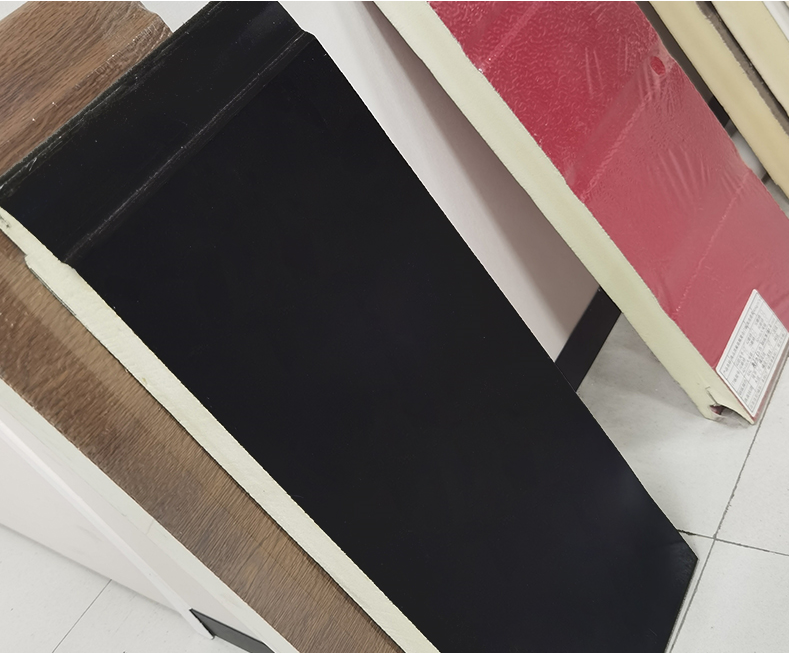
Sandwich panels feature a distinctive three-layer construction that maximizes performance while minimizing weight. The core material, typically made from polyurethane foam, polystyrene, or mineral wool, provides exceptional thermal insulation properties. This core is bonded between two outer skins, usually constructed from steel, aluminum, or other metal alloys. The sandwich panels design creates a composite structure where each layer contributes specific properties, resulting in a building material that outperforms individual components used separately.
The manufacturing process involves precise control of temperature, pressure, and adhesive application to ensure optimal bonding between layers. Modern sandwich panels incorporate advanced foam technologies that enhance fire resistance, thermal performance, and structural integrity. The core material acts as both an insulator and a structural element, transferring loads between the outer skins while maintaining excellent thermal barriers that reduce energy consumption in buildings.
Structural Engineering Advantages
From an engineering perspective, sandwich panels offer remarkable structural efficiency through their composite action. The outer skins resist tension and compression forces, while the core material prevents buckling and provides shear resistance. This combination creates a structural element with an exceptional strength-to-weight ratio, allowing architects to design larger spans with fewer supporting elements. The panels can support significant loads while maintaining their shape and performance over extended periods.
The structural properties of sandwich panels make them ideal for applications ranging from wall cladding to roofing systems. Their ability to span long distances without intermediate supports reduces construction complexity and costs. Additionally, the panels maintain their structural integrity under various environmental conditions, including wind loads, seismic forces, and temperature fluctuations, making them suitable for diverse geographic locations and climate zones.
Thermal Performance and Energy Efficiency
Superior Insulation Capabilities
One of the most significant advantages of sandwich panels lies in their exceptional thermal insulation performance. The core material, particularly polyurethane foam, provides outstanding thermal resistance with minimal thickness. This efficiency allows buildings to achieve high insulation values without sacrificing interior space or adding excessive weight to the structure. The continuous insulation layer eliminates thermal bridging, a common problem with traditional construction methods where structural elements create pathways for heat transfer.
The thermal performance of sandwich panels directly translates to reduced energy consumption for heating and cooling systems. Buildings constructed with these panels typically require smaller HVAC systems, leading to lower initial equipment costs and ongoing operational expenses. The superior insulation also creates more comfortable interior environments with better temperature stability and reduced drafts, enhancing occupant comfort while minimizing energy waste.
Moisture Control and Vapor Management
Effective moisture management is crucial for building longevity and occupant health, and sandwich panels excel in this area. The closed-cell structure of foam cores prevents moisture absorption, while proper vapor barrier installation prevents condensation within the panel structure. This moisture control capability prevents mold growth, structural deterioration, and indoor air quality issues that can plague buildings with inadequate moisture management systems.
The vapor management properties of sandwich panels contribute to building durability by preventing moisture-related damage to structural components. The panels maintain their thermal performance over time because moisture cannot degrade the insulating core material. This consistency ensures that buildings continue to perform as designed throughout their service life, providing predictable energy costs and comfortable indoor environments.
Installation Efficiency and Construction Benefits
Rapid Installation and Assembly
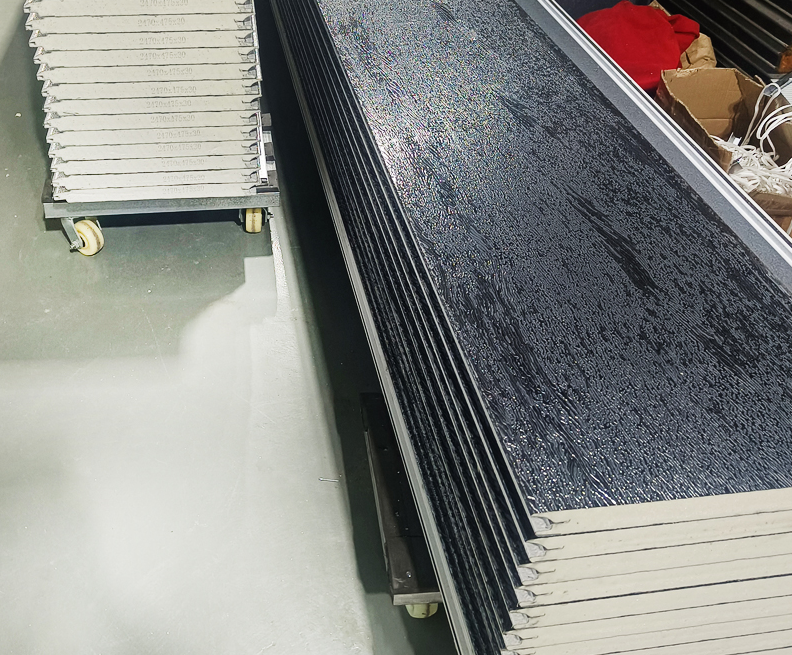
Construction projects benefit significantly from the installation efficiency that sandwich panels provide. These prefabricated components arrive on-site ready for immediate installation, eliminating multiple construction steps typically required with traditional building methods. A single panel installation replaces separate processes for structural framing, insulation installation, and exterior cladding, dramatically reducing construction time and labor requirements.
The lightweight nature of sandwich panels allows for installation using smaller cranes and equipment, reducing equipment costs and site logistics complexity. Installation crews can handle larger panel sections safely, further accelerating construction schedules. The precision manufacturing of these panels ensures consistent quality and fit, reducing field adjustments and rework that can delay project completion.
Weather-Independent Construction
Unlike traditional construction methods that depend heavily on weather conditions, sandwich panels installation can proceed in various weather conditions. The panels provide immediate weather protection once installed, allowing interior construction activities to begin sooner. This weather independence reduces construction delays and allows for more predictable project scheduling, particularly important in regions with challenging climate conditions or short construction seasons.
The ability to enclose buildings quickly with sandwich panels protects other building materials and systems from weather exposure during construction. This protection prevents damage to interior components, reduces waste, and maintains construction quality standards. Contractors appreciate the flexibility that sandwich panels provide in managing construction schedules and meeting project deadlines regardless of weather variations.
Economic Advantages and Cost Considerations
Initial Cost Benefits
The economic benefits of sandwich panels extend beyond material costs to encompass entire project economics. While the initial material cost might be comparable to traditional systems, the total installed cost typically favors sandwich panels due to reduced labor requirements, faster installation, and simplified construction processes. The elimination of multiple trades and construction steps reduces project coordination complexity and associated overhead costs.
Projects using sandwich panels often experience reduced foundation requirements due to the lightweight nature of these materials. Lighter structural loads allow for more economical foundation designs, reducing excavation, concrete, and reinforcement requirements. These foundation savings can be substantial, particularly for large industrial or commercial buildings where foundation costs represent a significant portion of total construction expenses.
Long-Term Operational Savings
The long-term economic benefits of sandwich panels become apparent through reduced operational costs over the building's lifecycle. Superior thermal performance translates directly to lower energy costs for heating and cooling, providing ongoing savings that accumulate significantly over time. Buildings with sandwich panels typically achieve faster payback periods for energy efficiency investments and may qualify for various energy efficiency incentives and rebates.
Maintenance requirements for sandwich panels are typically lower than traditional construction systems. The durable outer skins resist weathering, corrosion, and impact damage, reducing maintenance frequency and costs. The panels' resistance to moisture and pest infiltration prevents many common building problems that require expensive remediation. These maintenance savings contribute to lower total cost of ownership and better return on investment for building owners.
Applications Across Construction Sectors
Industrial and Commercial Buildings
Industrial facilities benefit tremendously from sandwich panels due to their ability to provide large, unobstructed interior spaces with excellent environmental control. Manufacturing facilities, warehouses, and distribution centers utilize sandwich panels for both walls and roofing systems to create controlled environments while minimizing construction and operational costs. The panels' structural capabilities allow for wide column spacing, maximizing usable floor area and operational efficiency.
Commercial buildings leverage sandwich panels for energy efficiency and aesthetic versatility. Office buildings, retail centers, and institutional facilities use these panels to achieve high-performance building envelopes while maintaining design flexibility. The variety of available finishes and colors allows architects to create attractive building exteriors while meeting stringent energy codes and performance requirements.
Specialized Construction Applications
Cold storage facilities represent one of the most demanding applications for sandwich panels, where superior insulation performance is absolutely critical. These facilities require continuous low temperatures with minimal energy consumption, making sandwich panels the preferred choice for walls, ceilings, and specialized door systems. The panels' ability to maintain consistent temperatures while preventing thermal bridging makes them ideal for pharmaceutical storage, food processing, and other temperature-sensitive applications.
Agricultural buildings also benefit significantly from sandwich panels for livestock housing, grain storage, and equipment shelters. The panels provide excellent protection from weather elements while maintaining appropriate interior conditions for various agricultural operations. The durability and low maintenance requirements of sandwich panels make them particularly suitable for agricultural applications where buildings must withstand harsh conditions with minimal upkeep.
FAQ
How long do sandwich panels typically last in construction applications
Sandwich panels are designed for long-term performance, typically lasting 25 to 50 years or more depending on environmental conditions and maintenance practices. The durable outer skins protect the core material from degradation, while proper installation and occasional maintenance ensure optimal performance throughout the building's lifecycle. Many manufacturers provide warranties ranging from 10 to 20 years, demonstrating confidence in the product's durability and performance consistency.
Can sandwich panels be used for load-bearing structural applications
Yes, sandwich panels can serve as load-bearing structural elements when properly designed and engineered for specific applications. The composite action between the outer skins and core material creates significant structural capacity for both vertical and lateral loads. However, structural applications require careful engineering analysis and compliance with local building codes to ensure appropriate safety factors and performance under various load conditions.
What fire resistance properties do sandwich panels offer
Modern sandwich panels incorporate fire-resistant core materials and coatings that meet stringent fire safety requirements. Mineral wool cores provide excellent fire resistance, while polyurethane foams now include fire retardants that significantly improve fire performance. Many sandwich panels achieve fire ratings suitable for commercial and industrial applications, though specific requirements vary by building type, occupancy, and local fire codes.
Are sandwich panels suitable for seismic regions
Sandwich panels perform well in seismic regions due to their lightweight construction and flexible connection systems. The reduced structural weight lowers seismic forces on the building, while properly designed connections allow for building movement without panel damage. Many successful installations in earthquake-prone areas demonstrate the suitability of sandwich panels for seismic applications when appropriate design considerations and connection details are implemented.