 EN
EN
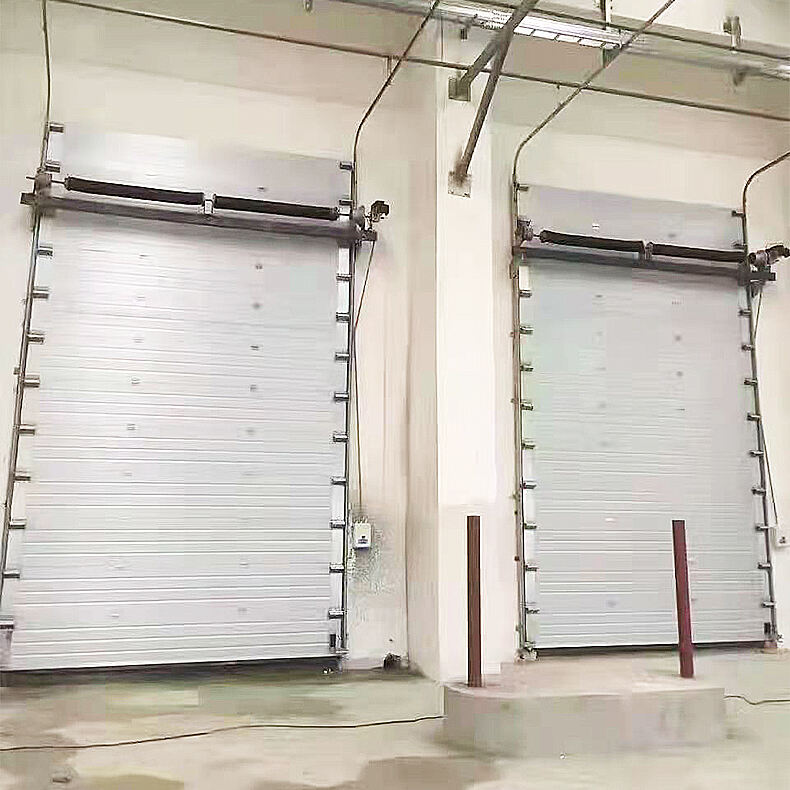
Large industrial facilities require robust, efficient door solutions that can handle heavy daily operations while maintaining security and energy efficiency. Sliding industrial doors have emerged as the preferred choice for warehouses, manufacturing plants, and distribution centers worldwide. These specialized door systems offer unparalleled functionality, combining durability with operational excellence to meet the demanding requirements of modern industrial environments.
The evolution of industrial door technology has transformed how facilities manage their operational workflows. Unlike traditional swing doors that require significant clearance space, sliding industrial doors maximize usable floor area while providing seamless access for equipment and personnel. This innovative approach to facility design has revolutionized industrial operations, enabling companies to optimize their workspace layout and improve overall productivity.
Space Optimization and Operational Efficiency
Maximizing Floor Space Utilization
One of the most significant advantages of sliding industrial doors lies in their space-saving design. Traditional hinged doors require substantial clearance areas for proper operation, which can consume valuable floor space in large facilities. Sliding systems eliminate this concern by moving laterally along tracks, allowing facilities to utilize every square foot of available space more effectively.
This space optimization becomes particularly crucial in high-density storage environments where every inch matters. Warehouses can position inventory closer to door openings, while manufacturing facilities can install equipment in areas that would otherwise remain unused due to door swing requirements. The result is improved operational density and enhanced workflow efficiency throughout the facility.
Enhanced Traffic Flow Management
Sliding industrial doors facilitate superior traffic management in busy facilities. Their wide opening capabilities accommodate multiple vehicles simultaneously, reducing bottlenecks during peak operational hours. This is especially beneficial for facilities handling large trucks, forklifts, and other industrial equipment that require generous clearance specifications.
The smooth sliding motion also reduces the time required for door operation, enabling faster transitions between loading and unloading activities. This efficiency translates directly into improved productivity metrics and reduced operational delays, making sliding doors an investment that pays dividends through enhanced workflow optimization.
Durability and Construction Excellence
Heavy-Duty Materials and Engineering
Modern sliding industrial doors incorporate advanced materials engineered specifically for demanding industrial environments. High-grade steel frames, reinforced aluminum panels, and corrosion-resistant hardware ensure these systems withstand continuous use without compromising performance. The robust construction methodology addresses the unique challenges posed by industrial operations, including exposure to chemicals, extreme temperatures, and heavy equipment traffic.
Quality sliding door systems feature precision-engineered track systems that distribute weight evenly across the entire structure. This engineering approach minimizes stress concentration points and extends operational lifespan significantly compared to conventional door solutions. The result is a dependable access system that maintains consistent performance throughout years of intensive use.
Weather Resistance and Environmental Protection
Industrial facilities often face challenging environmental conditions that can compromise door integrity over time. Sliding industrial doors address these concerns through specialized sealing systems and weather-resistant materials. Advanced gasket designs create effective barriers against moisture, dust, and temperature extremes while maintaining operational flexibility.
The sealed construction also contributes to improved climate control within facilities, reducing energy costs associated with heating and cooling large spaces. This environmental protection extends beyond weather resistance to include protection against industrial contaminants, ensuring clean working environments and compliance with regulatory standards.
Energy Efficiency and Cost Management
Thermal Performance Optimization
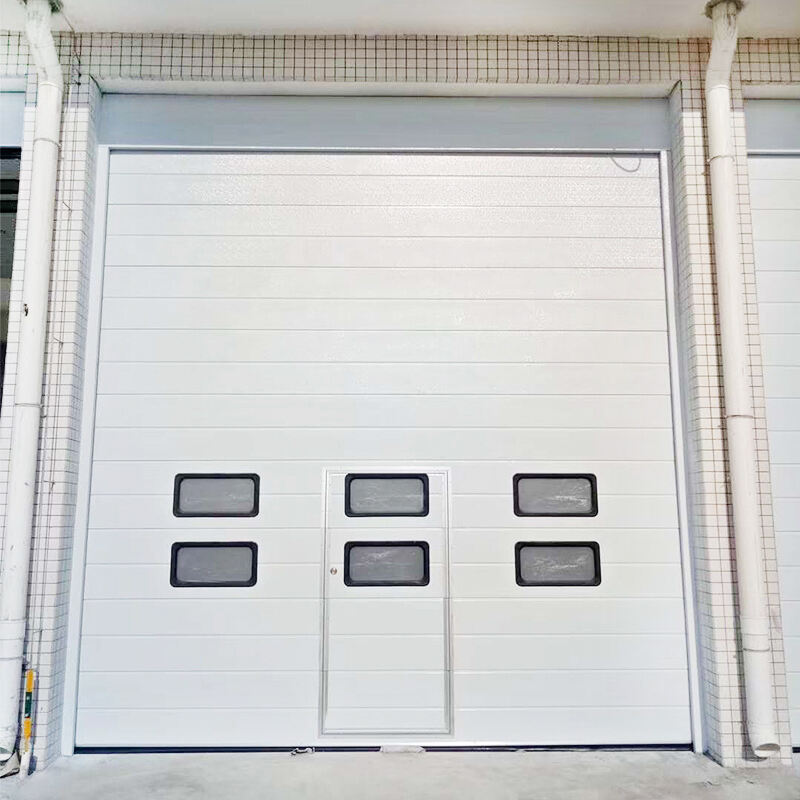
Energy efficiency represents a critical consideration for large industrial facilities, where heating and cooling costs can significantly impact operational budgets. Sliding industrial doors contribute to energy savings through superior insulation properties and minimal air infiltration rates. Multi-panel construction with thermal breaks prevents heat transfer, maintaining consistent internal temperatures regardless of external conditions.
The quick-operating characteristics of sliding doors also minimize the duration of opening cycles, reducing energy loss during transitions. This rapid operation capability becomes particularly valuable in temperature-controlled environments where maintaining specific climate conditions is essential for product quality or operational requirements.
Long-Term Cost Benefits
While the initial investment in quality sliding industrial doors may exceed basic alternatives, the long-term cost benefits justify the expenditure through reduced maintenance requirements and extended service life. High-quality track systems and precision hardware minimize wear patterns, reducing the frequency of repair interventions and associated downtime costs.
The durability advantages translate into predictable maintenance schedules and lower total cost of ownership over the door system's operational lifespan. Facilities can budget maintenance activities more accurately while avoiding unexpected repair expenses that can disrupt operational schedules and impact productivity targets.
Safety and Security Features
Advanced Safety Systems
Modern sliding industrial doors incorporate comprehensive safety features designed to protect personnel and equipment during operation. Integrated sensor systems detect obstructions in the door path, automatically stopping or reversing motion to prevent accidents. These safety mechanisms comply with industrial safety standards while providing reliable protection in high-traffic environments.
Emergency stop capabilities and manual override functions ensure doors can be controlled safely during power outages or equipment malfunctions. Visual and audible warning systems alert nearby personnel during door operation, reducing the risk of accidents in busy industrial environments where multiple activities occur simultaneously.
Security and Access Control
Security considerations play a vital role in industrial facility management, and sliding industrial doors offer robust protection against unauthorized access. Heavy-duty locking mechanisms and reinforced construction provide effective barriers against intrusion attempts while maintaining operational convenience for authorized personnel.
Integration capabilities with modern access control systems enable facilities to implement sophisticated security protocols. Card readers, biometric scanners, and remote monitoring systems can be seamlessly incorporated into sliding door installations, providing comprehensive security management while maintaining operational efficiency.
Automation and Technology Integration
Smart Control Systems
Contemporary sliding industrial doors embrace automation technology to enhance operational efficiency and user convenience. Programmable logic controllers enable sophisticated operation sequences, allowing doors to respond automatically to various triggers such as vehicle approach, time schedules, or integration with facility management systems.
Remote monitoring capabilities provide facility managers with real-time status information and diagnostic data, enabling proactive maintenance scheduling and rapid response to operational issues. This technological integration transforms traditional door systems into intelligent components of comprehensive facility automation strategies.
Predictive Maintenance Capabilities
Advanced sliding door systems incorporate sensors that monitor operational parameters continuously, providing valuable data for predictive maintenance programs. These systems can detect developing issues before they result in operational failures, allowing maintenance teams to address problems during scheduled downtime rather than responding to emergency situations.
The predictive maintenance approach reduces overall maintenance costs while improving system reliability and extending operational lifespan. Facilities can optimize maintenance resources and minimize unexpected downtime through data-driven maintenance strategies enabled by intelligent door systems.
Installation and Customization Options
Flexible Design Configurations
Sliding industrial doors offer exceptional design flexibility to accommodate diverse facility requirements and architectural constraints. Multi-panel configurations can be customized to achieve specific opening widths while maintaining structural integrity. This adaptability enables facilities to optimize door systems for their unique operational needs without compromising performance or safety standards.
Color options, panel materials, and hardware finishes can be selected to complement facility aesthetics while maintaining industrial durability requirements. This customization capability ensures that functional requirements and visual preferences can be balanced effectively in industrial door installations.
Professional Installation Services
Proper installation represents a critical factor in sliding door system performance and longevity. Professional installation teams ensure that track alignment, hardware mounting, and control system integration meet manufacturer specifications and industry standards. This expertise prevents common installation errors that can compromise system performance or safety.
Comprehensive installation services typically include site surveys, structural assessments, and post-installation testing to verify proper operation. This thorough approach ensures that sliding industrial doors achieve their full performance potential from the moment they enter service, providing immediate value to facility operations.
FAQ
What maintenance requirements do sliding industrial doors have
Sliding industrial doors require regular inspection of track systems, lubrication of moving components, and periodic adjustment of control systems. Most manufacturers recommend quarterly maintenance checks to ensure optimal performance and extend system lifespan. Professional maintenance services can establish comprehensive programs tailored to specific operational requirements and usage patterns.
How do sliding doors compare to overhead sectional doors for large openings
Sliding doors offer superior space utilization since they don't require overhead clearance like sectional doors. They also provide wider opening capabilities and faster operation speeds, making them ideal for high-traffic applications. However, sectional doors may be preferred in facilities with limited horizontal space or specific architectural requirements.
Can sliding industrial doors be retrofitted into existing facilities
Yes, sliding industrial doors can often be retrofitted into existing facilities, though structural modifications may be required to accommodate track systems and ensure proper support. Professional assessment of existing conditions is essential to determine feasibility and identify any necessary structural reinforcements or modifications required for successful installation.
What security features are available for sliding industrial doors
Modern sliding industrial doors offer various security options including heavy-duty locking mechanisms, access control system integration, security monitoring capabilities, and reinforced construction materials. Additional features such as perimeter sensors, surveillance camera integration, and alarm systems can be incorporated to create comprehensive security solutions tailored to specific facility requirements.