 EN
EN
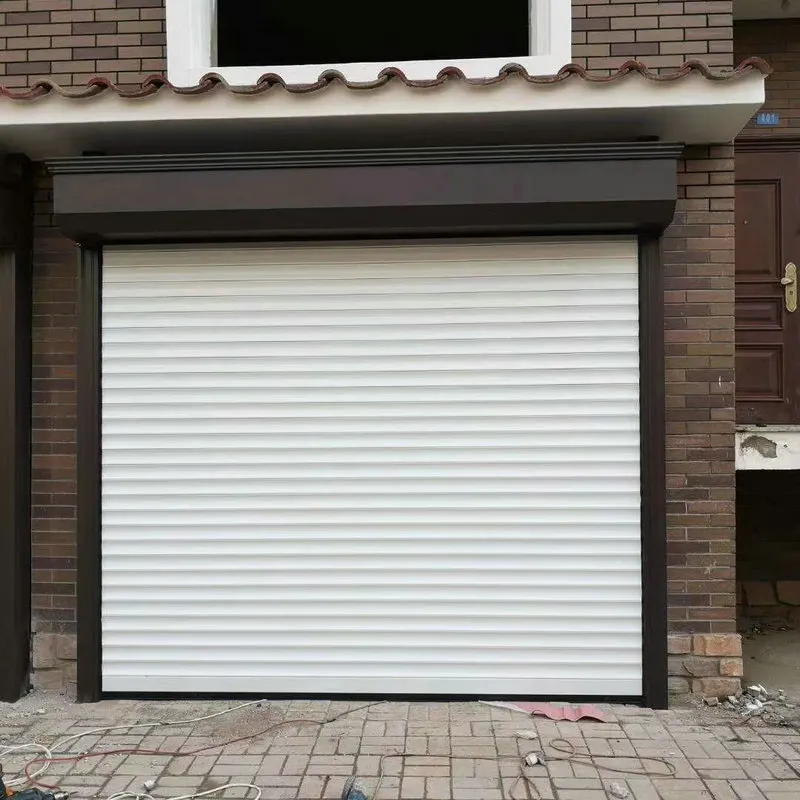
Modern industrial and commercial facilities demand security solutions that combine exceptional durability with operational efficiency. Aluminum roller doors have emerged as the preferred choice for businesses seeking robust protection without compromising on performance. These innovative door systems deliver outstanding strength-to-weight ratios while maintaining smooth operation across diverse applications. The unique properties of aluminum construction enable these doors to withstand harsh environmental conditions while providing decades of reliable service. Industries ranging from warehouses and manufacturing plants to retail stores and automotive facilities have embraced these advanced door solutions for their proven track record of performance and longevity.
Material Science Behind Aluminum Door Construction
Aluminum Alloy Composition and Properties
The foundation of superior aluminum roller doors lies in the careful selection and engineering of aluminum alloys. High-grade aluminum alloys used in door manufacturing typically contain precise ratios of silicon, magnesium, and other elements that enhance structural integrity. These alloy compositions create a crystalline structure that provides exceptional tensile strength while maintaining the lightweight characteristics that make aluminum so valuable. The material's inherent resistance to deformation under stress ensures that doors maintain their shape and functionality even under heavy usage patterns. Modern aluminum processing techniques allow manufacturers to achieve consistent thickness and surface quality across large door panels.
The molecular structure of aluminum contributes significantly to its performance advantages in door applications. Unlike steel alternatives, aluminum naturally forms a protective oxide layer when exposed to oxygen, creating a self-healing barrier against corrosion. This passive protection system means that even minor scratches or surface damage will not compromise the long-term integrity of the door system. The lightweight nature of aluminum, approximately one-third the weight of steel, reduces stress on mechanical components while maintaining comparable strength characteristics. This weight advantage translates directly into reduced wear on motors, springs, and support structures.
Surface Treatment and Finishing Technologies
Advanced surface treatment processes enhance the natural properties of aluminum roller doors through various coating and finishing techniques. Powder coating applications create durable, uniform finishes that resist fading, chalking, and weathering while providing additional protection against environmental factors. Anodization processes increase surface hardness and create enhanced corrosion resistance by controlled oxidation of the aluminum surface. These treatments not only improve performance but also expand aesthetic options for architectural integration. The application of specialized primers and topcoats ensures optimal adhesion and longevity of protective finishes.
Thermal treatment processes further optimize the mechanical properties of aluminum door components through controlled heating and cooling cycles. These treatments can increase hardness, improve fatigue resistance, and enhance dimensional stability across temperature variations. Quality manufacturers employ multi-stage finishing processes that include cleaning, etching, conversion coating, and final finish application to ensure maximum performance. The resulting surface properties provide excellent resistance to industrial chemicals, salt spray, and ultraviolet radiation that can degrade inferior door systems over time.
Engineering Design for Maximum Performance
Load Distribution and Structural Integrity
The engineering design of aluminum roller doors incorporates sophisticated load distribution principles to maximize structural performance while minimizing material usage. Reinforcement ribs and channels strategically placed throughout door panels create optimal stiffness-to-weight ratios that resist wind loads and operational stresses. Advanced computer modeling allows engineers to optimize panel geometry for specific application requirements while maintaining consistent performance characteristics. The interlocking slat design distributes loads evenly across the entire door surface, preventing stress concentrations that could lead to premature failure. Precision manufacturing ensures consistent tolerances and smooth operation across the full range of door motion.
Structural continuity throughout the door assembly eliminates weak points that commonly affect other door types. The continuous curve design of roller doors naturally distributes forces along the curved track system, reducing peak stresses on individual components. Engineering calculations account for dynamic loading conditions including wind gusts, thermal expansion, and operational forces to ensure adequate safety margins. The modular construction approach allows for easy replacement of individual components without affecting overall system integrity. Quality control measures verify that each door meets specified load ratings and performance criteria before installation.
Operational Mechanism Optimization
The lightweight properties of aluminum enable the use of smaller, more efficient drive systems while maintaining excellent operational performance. Reduced door weight directly translates to lower power requirements, decreased mechanical wear, and extended component life cycles. Precision-engineered guide tracks minimize friction while ensuring smooth, quiet operation throughout the door's service life. The balanced design approach considers both static and dynamic forces to optimize spring tension, motor sizing, and control system parameters. Advanced safety features integrate seamlessly with the lightweight design to provide comprehensive protection without compromising performance.
Modern aluminum roller doors incorporate sophisticated control systems that optimize operation for specific applications and usage patterns. Variable frequency drives allow precise speed control while minimizing energy consumption and mechanical stress. Intelligent safety systems monitor door position, force levels, and environmental conditions to ensure safe operation under all circumstances. The integration of sensors and automated controls enhances user convenience while protecting against operational hazards. These advanced systems work in harmony with the aluminum construction to deliver superior performance and reliability.
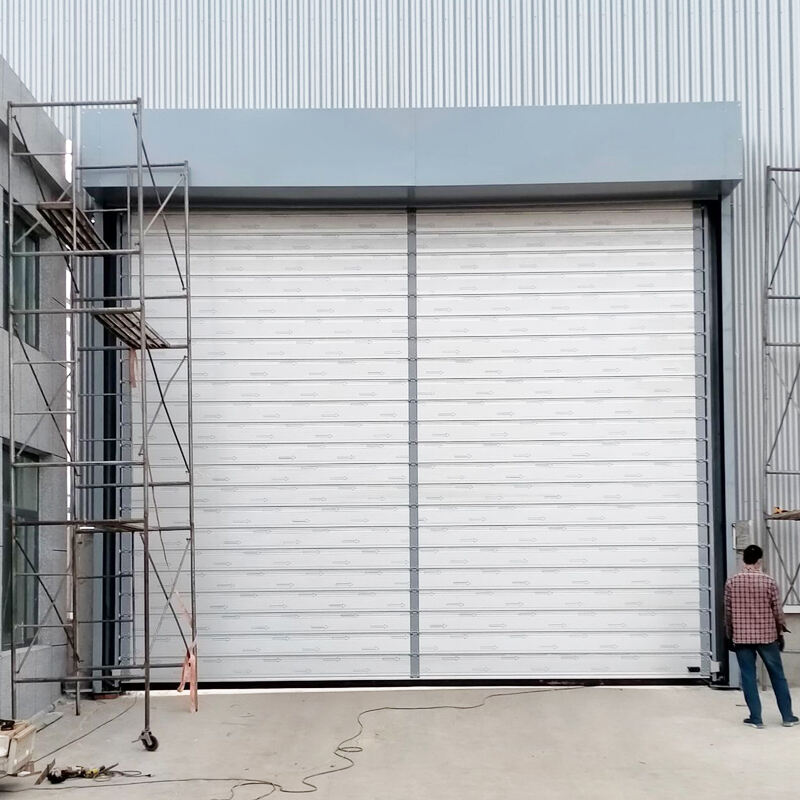
Durability Advantages in Harsh Environments
Corrosion Resistance and Weather Protection
Aluminum roller doors demonstrate exceptional resistance to corrosion and environmental degradation compared to alternative materials. The natural oxide layer formation provides inherent protection against moisture, salt spray, and atmospheric pollutants commonly found in industrial environments. Unlike steel doors that require extensive protective coatings, aluminum maintains its structural integrity even when surface finishes are compromised. This inherent corrosion resistance makes aluminum doors ideal for coastal installations, chemical processing facilities, and other demanding environments. The material's stable performance across temperature extremes ensures consistent operation in both hot and cold climates.
Weather sealing systems integrate effectively with aluminum door frames to provide comprehensive environmental protection. The dimensional stability of aluminum ensures that sealing surfaces maintain proper contact over extended service periods. Advanced weather strip materials bond effectively with aluminum surfaces to create long-lasting seals against wind, rain, and debris infiltration. The non-porous surface of aluminum resists moisture absorption and biological growth that can compromise other door materials. Regular maintenance requirements are minimized due to the material's resistance to environmental degradation and ease of cleaning.
Impact Resistance and Damage Recovery
The ductile properties of aluminum provide superior impact resistance while maintaining the ability to recover from minor deformations. Unlike brittle materials that crack or shatter upon impact, aluminum roller doors can absorb significant energy through controlled deformation. The sectional design allows for localized damage repair without replacement of entire door assemblies. Quality aluminum alloys exhibit excellent fatigue resistance, maintaining structural integrity through millions of operational cycles. The material's ability to dissipate impact energy helps protect building structures and personnel from collision forces.
Repair procedures for aluminum doors are typically straightforward and cost-effective compared to alternative materials. Individual slats or sections can be replaced without specialized equipment or extensive downtime. The weldability of aluminum allows for field repairs when necessary, though the material's durability makes such repairs infrequent. Standardized component dimensions ensure replacement parts availability and compatibility across different door installations. The long-term cost benefits of aluminum construction become evident through reduced maintenance requirements and extended service life.
Lightweight Performance Benefits
Energy Efficiency and Operational Costs
The lightweight characteristics of aluminum roller doors provide significant energy efficiency advantages throughout their operational life. Reduced door weight means smaller motors can achieve the same lifting capacity, resulting in lower electrical consumption during each operating cycle. The improved power-to-weight ratio enables faster opening and closing speeds while maintaining smooth, controlled motion. Energy savings compound over time, particularly in high-traffic applications where doors operate frequently throughout each day. The reduced structural loading also allows for lighter support frameworks and foundations, decreasing overall construction costs.
Thermal properties of aluminum contribute to building energy efficiency through effective temperature control and insulation options. The material's thermal conductivity can be managed through appropriate design and insulation integration to meet specific climate control requirements. Reduced thermal bridging compared to steel frame systems helps maintain consistent interior temperatures. The tight sealing capabilities of aluminum doors minimize air infiltration and heat loss, contributing to HVAC system efficiency. These factors combine to reduce operational costs while maintaining comfortable interior environments.
Installation and Maintenance Advantages
The lightweight nature of aluminum components significantly simplifies installation procedures while reducing labor costs and safety risks. Smaller installation crews can handle aluminum door components safely, reducing project timelines and associated costs. The material's stability eliminates concerns about warping or dimensional changes during storage and installation. Pre-fabricated assemblies arrive at job sites ready for installation with minimal field modifications required. The reduced weight also allows for installation in buildings with limited structural capacity where heavier door systems would not be feasible.
Maintenance requirements for aluminum roller doors are minimal due to the material's inherent stability and resistance to degradation. The smooth surface finish resists dirt and debris accumulation, making cleaning procedures simple and effective. Lubrication requirements are reduced due to the lightweight design and precision manufacturing tolerances. Routine inspections focus primarily on mechanical components rather than structural elements, streamlining maintenance procedures. The long intervals between major maintenance events reduce operational disruptions while maintaining optimal performance levels.
Applications Across Industries
Commercial and Retail Environments
Aluminum roller doors serve diverse commercial applications where security, aesthetics, and operational efficiency converge. Retail storefronts benefit from the clean, modern appearance of aluminum doors while maintaining excellent security characteristics. The lightweight operation allows for frequent use without excessive wear on mechanical components, making these doors ideal for businesses with high customer traffic. Customizable finishes and colors enable seamless integration with architectural designs and corporate branding requirements. The quiet operation of aluminum doors minimizes disruption in noise-sensitive commercial environments.
Loading dock applications particularly benefit from the lightweight performance of aluminum roller doors. Frequent opening and closing cycles demanded by shipping and receiving operations are easily accommodated without excessive energy consumption or mechanical wear. The fast operation speeds possible with lightweight doors improve productivity while maintaining environmental control. Weather sealing capabilities protect valuable merchandise and maintain comfortable working conditions for dock personnel. The durability of aluminum construction ensures reliable operation despite the demanding conditions typical of commercial loading environments.
Industrial and Manufacturing Facilities
Manufacturing environments present unique challenges that aluminum roller doors address effectively through their combination of durability and performance. Chemical processing facilities benefit from the corrosion resistance of aluminum when exposed to harsh industrial atmospheres. The lightweight design enables automation integration for seamless incorporation into manufacturing processes and material handling systems. High-cycle applications rely on the fatigue resistance of aluminum construction to maintain consistent performance over extended periods. The cleanability of aluminum surfaces supports hygiene requirements in food processing and pharmaceutical manufacturing environments.
Automotive manufacturing and service facilities utilize aluminum roller doors for their combination of security, durability, and operational efficiency. The doors accommodate the passage of vehicles and equipment while providing environmental protection and security when closed. Paint booth applications benefit from the chemical resistance and cleanability of aluminum surfaces. The precision manufacturing of aluminum doors ensures consistent operation despite the demanding conditions found in automotive production environments. Integration with facility automation systems enables coordinated operation with production schedules and safety protocols.
FAQ
How long do aluminum roller doors typically last compared to steel doors
Aluminum roller doors typically provide 20-30 years of reliable service, often exceeding the lifespan of comparable steel doors due to their superior corrosion resistance. While steel doors may require replacement or extensive refurbishment after 15-20 years due to rust and structural degradation, aluminum doors maintain their performance characteristics throughout their service life. The inherent corrosion resistance eliminates the primary failure mode affecting steel doors, while the lightweight design reduces mechanical wear on operational components. Regular maintenance intervals are extended, and major repairs are less frequent, contributing to lower total cost of ownership over the door's lifetime.
Can aluminum roller doors withstand severe weather conditions and high winds
Modern aluminum roller doors are engineered to meet specific wind load requirements and can withstand severe weather conditions when properly designed and installed. The structural design incorporates reinforcement elements that distribute wind loads effectively across the door surface and mounting structure. Engineering calculations account for local wind conditions and building codes to ensure adequate safety margins. The lightweight nature of aluminum actually provides advantages in high-wind situations, as the reduced mass generates lower dynamic forces on the mounting structure. Proper installation and regular maintenance ensure optimal performance throughout severe weather events.
What maintenance is required for aluminum roller doors to ensure optimal performance
Aluminum roller doors require minimal maintenance compared to other door materials, primarily focusing on mechanical components rather than structural elements. Regular cleaning with mild detergent solutions maintains appearance and prevents debris accumulation in tracks and guides. Lubrication of moving parts should follow manufacturer specifications, typically every six months or based on usage frequency. Visual inspections of weather sealing, safety devices, and operational components help identify potential issues before they affect performance. The corrosion resistance of aluminum eliminates the need for protective coating maintenance required by steel doors, significantly reducing long-term maintenance costs and downtime.
Are aluminum roller doors suitable for high-security applications requiring frequent operation
Aluminum roller doors excel in high-security applications requiring frequent operation due to their combination of structural strength and lightweight performance. The material's high strength-to-weight ratio provides excellent security characteristics while enabling smooth, reliable operation through thousands of cycles. Advanced locking mechanisms integrate seamlessly with aluminum construction to provide comprehensive security features. The reduced mechanical stress from lightweight operation extends component life and maintains consistent performance in demanding applications. Modern aluminum doors can incorporate sophisticated access control systems, reinforced construction options, and ballistic resistance features when security requirements demand enhanced protection levels.
Table of Contents
- Material Science Behind Aluminum Door Construction
- Engineering Design for Maximum Performance
- Durability Advantages in Harsh Environments
- Lightweight Performance Benefits
- Applications Across Industries
-
FAQ
- How long do aluminum roller doors typically last compared to steel doors
- Can aluminum roller doors withstand severe weather conditions and high winds
- What maintenance is required for aluminum roller doors to ensure optimal performance
- Are aluminum roller doors suitable for high-security applications requiring frequent operation