 EN
EN
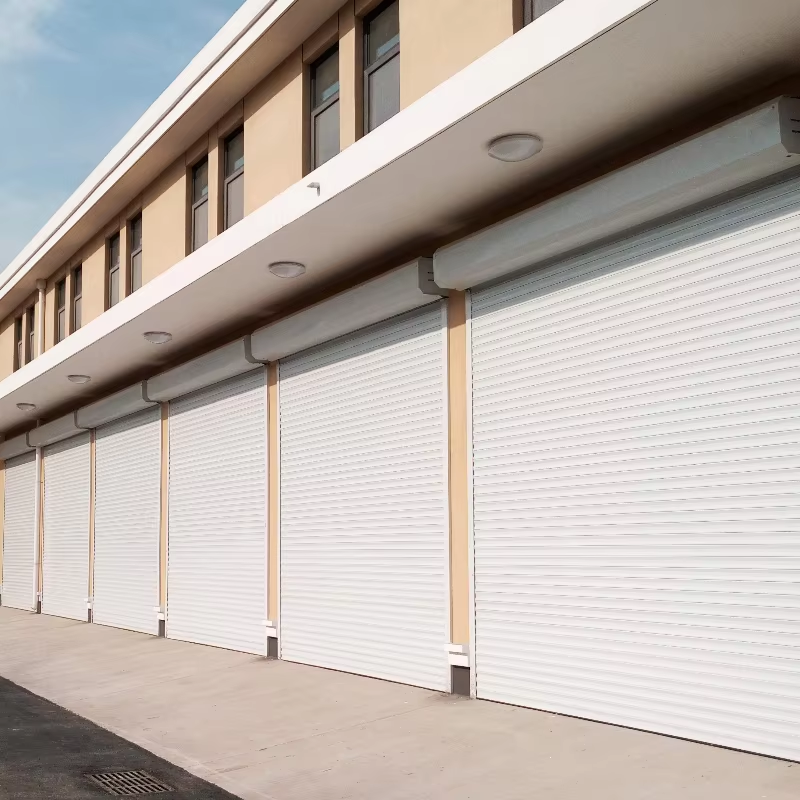
Industrial facilities require robust, efficient, and cost-effective solutions for securing large openings while maintaining operational flexibility. Aluminum roller doors have emerged as the preferred choice for warehouses, manufacturing plants, distribution centers, and commercial facilities worldwide. These versatile door systems combine lightweight construction with exceptional durability, offering superior performance in demanding industrial environments. The unique properties of aluminum make these doors ideal for applications where frequent operation, weather resistance, and long-term reliability are essential considerations.
Superior Material Properties and Construction Benefits
Lightweight Yet Durable Framework
The fundamental advantage of aluminum roller doors lies in their exceptional strength-to-weight ratio. Aluminum alloy construction provides structural integrity comparable to steel while weighing significantly less, reducing stress on door mechanisms and extending operational lifespan. This lightweight characteristic enables smoother operation with less powerful motors, resulting in reduced energy consumption and lower maintenance requirements. The inherent flexibility of aluminum allows these doors to withstand wind loads and structural movement without compromising functionality.
Advanced aluminum alloys used in modern roller door construction incorporate specialized treatments that enhance mechanical properties. These alloys resist deformation under load while maintaining dimensional stability across temperature fluctuations. The material's natural elasticity helps absorb impacts and vibrations common in industrial environments, preventing damage that could compromise security or operational efficiency. This durability translates to extended service life and reduced replacement costs over the door's operational period.
Corrosion Resistance and Environmental Protection
Industrial environments often expose door systems to harsh conditions including moisture, chemicals, and temperature extremes. Aluminum's natural oxide layer provides inherent corrosion resistance, protecting the underlying material from degradation. This protective characteristic is particularly valuable in coastal areas, chemical processing facilities, and food production environments where traditional steel doors might deteriorate rapidly. The corrosion resistance of aluminum eliminates the need for frequent protective coatings and reduces long-term maintenance expenses.
Modern surface treatments enhance aluminum's already impressive environmental resistance. Powder coating, anodizing, and specialized finishes create additional barriers against corrosive elements while providing aesthetic appeal. These treatments maintain their integrity longer than traditional paint systems, preserving both appearance and protection throughout the door's service life. The combination of natural and applied protection makes aluminum roller doors suitable for the most challenging industrial applications.
Operational Efficiency and Performance Advantages
Smooth and Reliable Operation
The lightweight nature of aluminum roller doors enables exceptionally smooth operation with minimal mechanical stress. Reduced friction in guide systems and lower motor loads contribute to quieter operation and extended component life. This operational efficiency is particularly important in facilities requiring frequent door cycling, where heavy steel doors might cause premature wear and increased energy costs. The smooth operation also enhances worker safety by reducing the risk of sudden stops or jerky movements during door travel.
Advanced aluminum roller door systems incorporate precision-engineered components that optimize performance characteristics. High-quality bearings, guides, and control systems work synergistically with the lightweight aluminum construction to deliver consistent, reliable operation. These systems maintain their performance characteristics across millions of operating cycles, providing dependable service in high-traffic industrial applications. The reduced mechanical stress also minimizes noise levels, creating a more comfortable working environment.
Energy Efficiency and Insulation Properties
Modern aluminum roller doors can be equipped with insulation systems that significantly improve thermal performance. Foam-filled slats or double-wall construction creates effective thermal barriers while maintaining the door's lightweight characteristics. This insulation capability helps regulate internal temperatures, reducing heating and cooling costs in climate-controlled facilities. The thermal efficiency contributes to overall building energy performance and may qualify facilities for energy efficiency incentives or certifications.
The rapid opening and closing speeds achievable with aluminum roller doors minimize heat transfer during operation. Quick cycle times reduce the duration of opening exposure, helping maintain internal environmental conditions. This characteristic is particularly valuable in cold storage facilities, clean rooms, and other controlled environments where temperature stability is critical. The combination of insulation properties and operational speed creates optimal conditions for energy conservation.
Security Features and Access Control Integration
Robust Security Mechanisms
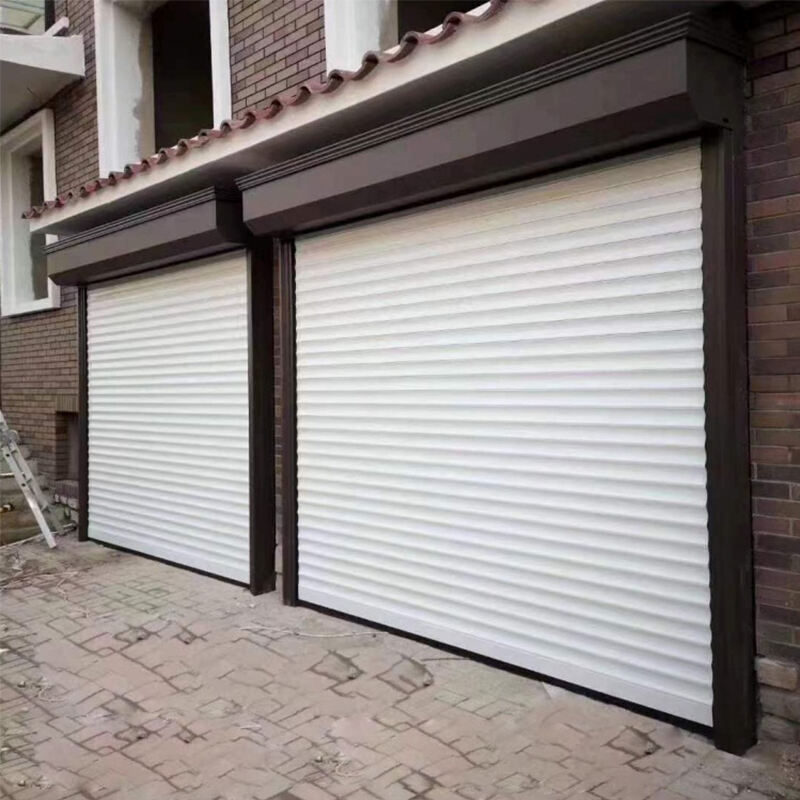
Despite their lightweight construction, aluminum roller doors provide excellent security for industrial facilities. The interlocking slat design creates a continuous barrier that resists forced entry attempts. Multiple locking points distributed along the door's perimeter provide comprehensive security coverage, while reinforcement options can enhance protection for high-security applications. The aluminum construction allows for integration of advanced security features without compromising operational performance.
Modern aluminum roller doors can accommodate sophisticated locking mechanisms including multi-point locks, electronic controls, and biometric access systems. The material's stability provides a secure mounting platform for electronic components while resisting tampering and manipulation. Emergency release mechanisms ensure safe egress while maintaining security integrity. These features make aluminum roller doors suitable for facilities with stringent security requirements.
Integration with Building Management Systems
Contemporary aluminum roller doors seamlessly integrate with building automation and management systems. Electronic controls enable remote operation, monitoring, and diagnostics that enhance operational efficiency and security. Integration capabilities include fire alarm interfaces, environmental monitoring connections, and maintenance scheduling systems. This connectivity provides facility managers with comprehensive control and oversight of door operations.
Advanced control systems can optimize door operation based on facility conditions, traffic patterns, and environmental factors. Programmable logic controllers enable customized operation sequences that enhance efficiency while maintaining security. Integration with access control systems ensures authorized entry while maintaining detailed logs of door activity. These capabilities support modern industrial facility management requirements and regulatory compliance needs.
Cost Considerations and Economic Benefits
Initial Investment and Installation Advantages
The lightweight characteristics of aluminum roller doors reduce installation complexity and associated costs. Standard lifting equipment can handle these doors, eliminating the need for specialized heavy-duty installation equipment required for steel alternatives. Reduced structural requirements for door support further decrease installation costs while simplifying building modifications. The efficiency gains during installation translate to faster project completion and reduced labor expenses.
Aluminum roller doors often require less extensive structural modifications to existing buildings compared to heavier alternatives. The reduced weight loading allows installation in locations where structural capacity might limit other door types. This flexibility enables facility improvements without major structural investments, making aluminum roller doors an attractive option for retrofit applications. The installation advantages contribute to overall project cost effectiveness and timeline efficiency.
Long-term Operational Economics
The operational economics of aluminum roller doors provide compelling long-term value propositions. Reduced energy consumption from lighter motor loads and improved insulation characteristics lower ongoing operational costs. The corrosion resistance and durability of aluminum minimize maintenance requirements and extend service life, reducing total cost of ownership. These factors combine to create favorable lifecycle economics compared to alternative door systems.
Maintenance cost advantages stem from the inherent properties of aluminum and the simplified mechanical systems possible with lightweight construction. Fewer moving parts under less stress require less frequent service and replacement. The corrosion resistance eliminates painting and protective coating requirements that add significant maintenance costs to steel doors. These ongoing savings accumulate substantially over the door's operational lifetime, improving return on investment.
Environmental Impact and Sustainability
Recyclability and Environmental Responsibility
Aluminum roller doors support environmental sustainability goals through the material's exceptional recyclability. Aluminum can be recycled indefinitely without losing its fundamental properties, making these doors an environmentally responsible choice. At the end of service life, aluminum roller doors can be completely recycled, diverting material from landfills and reducing demand for virgin aluminum production. This recyclability aligns with corporate sustainability initiatives and environmental stewardship objectives.
The energy efficiency benefits of aluminum roller doors contribute to reduced facility carbon footprints. Improved insulation properties and operational efficiency decrease energy consumption for heating, cooling, and door operation. The lightweight construction requires less energy for manufacturing and transportation compared to heavier alternatives. These factors combine to create a more sustainable door solution throughout the entire product lifecycle.
Green Building Certification Support
Aluminum roller doors can contribute to green building certification requirements through their energy efficiency, recyclability, and durability characteristics. LEED and other certification programs recognize the environmental benefits of aluminum construction and energy-efficient building components. The long service life and reduced maintenance requirements support sustainability objectives while providing documentation for certification applications. This compatibility with green building standards enhances the overall value proposition.
The manufacturing processes for aluminum roller doors have evolved to minimize environmental impact through improved efficiency and waste reduction. Modern production facilities incorporate sustainable practices that reduce energy consumption and material waste. These improvements in manufacturing sustainability complement the inherent environmental benefits of aluminum construction, creating comprehensive environmental advantages for facility owners committed to sustainability.
FAQ
What maintenance is required for aluminum roller doors in industrial applications
Aluminum roller doors require minimal maintenance compared to steel alternatives due to their corrosion resistance and lightweight construction. Regular maintenance includes periodic lubrication of moving parts, inspection of guide tracks and seals, and cleaning of accumulated debris. The corrosion-resistant properties of aluminum eliminate the need for protective painting or coating maintenance that steel doors require. Most facilities find that quarterly inspections and annual professional service are sufficient to maintain optimal performance and extend service life.
How do aluminum roller doors perform in extreme weather conditions
Aluminum roller doors excel in extreme weather conditions due to the material's natural resistance to temperature fluctuations and moisture. The aluminum construction maintains dimensional stability across wide temperature ranges without warping or binding. Wind resistance can be enhanced through reinforced designs and secure anchoring systems. The corrosion resistance provides excellent performance in coastal environments with salt exposure, while the lightweight construction reduces wind loading on the door structure during severe weather events.
Can aluminum roller doors be customized for specific industrial requirements
Modern aluminum roller doors offer extensive customization options to meet specific industrial requirements. Size customization accommodates openings from small service doors to massive warehouse entrances. Insulation options, security features, and control systems can be tailored to application needs. Surface treatments and colors can match facility aesthetics or functional requirements. Advanced options include fire-rated assemblies, explosion-resistant designs, and specialized environmental sealing for controlled atmospheres.
What is the expected lifespan of aluminum roller doors in industrial use
Properly maintained aluminum roller doors typically provide 15-25 years of reliable service in industrial applications, with many installations exceeding this range. The actual lifespan depends on operating frequency, environmental conditions, and maintenance quality. The corrosion resistance of aluminum and reduced mechanical stress from lightweight construction contribute to extended service life compared to heavier alternatives. Regular maintenance and quality installation can significantly extend operational life, making aluminum roller doors a long-term investment for industrial facilities.