 EN
EN

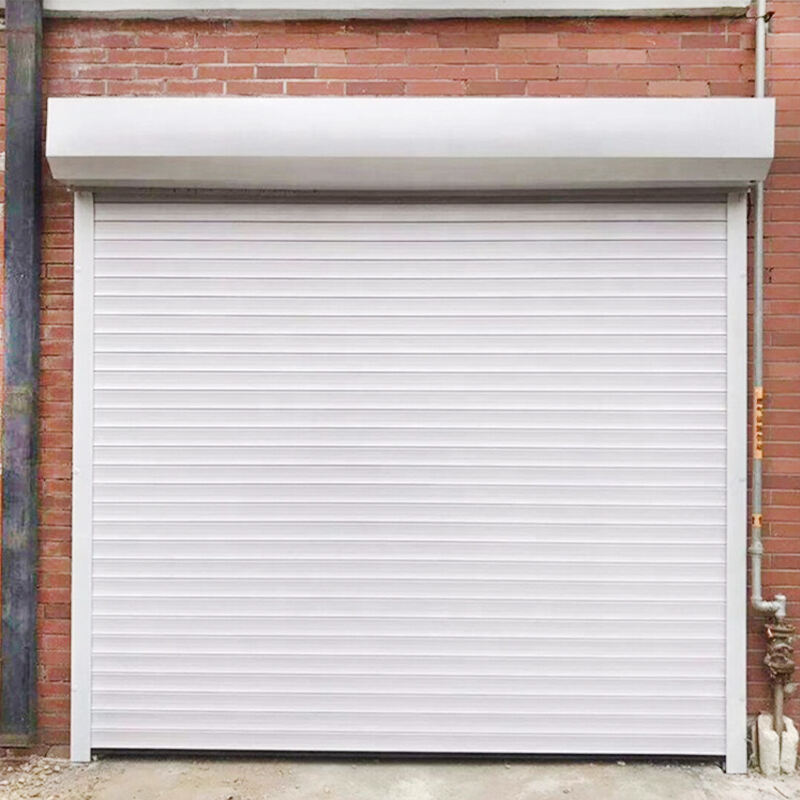
Modern commercial and residential properties increasingly rely on automatic shutter doors to enhance security, convenience, and operational efficiency. These advanced door systems have revolutionized how businesses and homeowners approach property protection while offering seamless integration with daily operations. The adoption of automatic shutter doors represents a significant leap forward from traditional manual systems, providing enhanced functionality that meets contemporary security and accessibility demands.
Enhanced Security Features of Automatic Shutter Systems
Advanced Locking Mechanisms and Access Control
Automatic shutter doors incorporate sophisticated locking mechanisms that provide superior security compared to conventional door systems. These systems feature multiple locking points along the door frame, creating a robust barrier against unauthorized entry attempts. The integration of electronic access control systems allows property owners to monitor and control entry remotely, maintaining detailed logs of all access events for enhanced security oversight.
The security benefits extend beyond physical protection, as automatic shutter doors can be programmed with time-based access restrictions and user-specific permissions. This level of control ensures that only authorized personnel can operate the doors during designated hours, significantly reducing security vulnerabilities that often occur with traditional manual systems.
Deterrent Effect on Criminal Activity
The visible presence of automatic shutter doors serves as a powerful deterrent to potential intruders and vandals. The robust construction and automated operation suggest sophisticated security measures, often discouraging criminal activity before it begins. Studies indicate that properties equipped with automatic shutter doors experience significantly lower rates of break-ins and property damage.
Furthermore, the integration capabilities with existing security systems, including cameras and alarm networks, create a comprehensive security ecosystem. When automatic shutter doors are linked to motion sensors and surveillance equipment, they provide real-time alerts and can automatically secure premises when suspicious activity is detected, offering peace of mind to property owners.
Operational Efficiency and Convenience Benefits
Streamlined Daily Operations
The implementation of automatic shutter doors dramatically improves operational efficiency in commercial environments. These systems eliminate the physical effort required to manually operate heavy shutter doors, allowing staff to focus on core business activities rather than door management. The smooth, quiet operation ensures minimal disruption to ongoing business operations while maintaining secure access control.
Remote operation capabilities enable managers to control multiple automatic shutter doors from a central location, streamlining opening and closing procedures across large facilities. This centralized control reduces labor costs and ensures consistent security protocols are maintained throughout the property, particularly beneficial for warehouses, retail centers, and industrial facilities.
Weather Protection and Climate Control
Automatic shutter doors provide exceptional protection against harsh weather conditions, automatically responding to environmental changes without human intervention. Wind sensors can trigger automatic closure during storms, while programmable timers ensure doors close before adverse weather arrives. This proactive approach protects interior spaces and stored materials from weather damage.
The insulation properties of automatic shutter doors contribute significantly to energy efficiency by maintaining consistent internal temperatures. The tight sealing mechanisms prevent air leakage, reducing heating and cooling costs while creating more comfortable working environments for employees and better storage conditions for temperature-sensitive inventory.
Cost-Effectiveness and Long-Term Value
Reduced Labor and Maintenance Costs
Investment in automatic shutter doors yields substantial long-term cost savings through reduced labor requirements and maintenance expenses. The elimination of manual operation reduces workplace injuries related to heavy lifting and repetitive motions, subsequently lowering insurance premiums and workers' compensation claims. Automated systems require fewer staff members to manage door operations, allowing businesses to allocate human resources more effectively.
Modern automatic shutter doors are engineered for durability and require minimal maintenance compared to traditional systems. The precision manufacturing and high-quality materials used in these doors result in longer operational lifespans, reducing replacement frequency and associated costs. Predictive maintenance features alert operators to potential issues before failures occur, preventing costly emergency repairs and operational downtime.
Insurance Premium Reductions and Property Value Enhancement
Many insurance providers offer premium discounts for properties equipped with automatic shutter doors due to their enhanced security features and reduced risk profiles. The comprehensive protection these systems provide against theft, vandalism, and weather damage makes properties less likely to file insurance claims, resulting in favorable premium adjustments that can offset installation costs over time.
The installation of automatic shutter doors significantly increases property value by improving both functionality and aesthetic appeal. Modern designs complement architectural styles while providing practical benefits that appeal to potential buyers or tenants. The perceived value addition often exceeds the initial investment cost, making automatic shutter doors an excellent property improvement strategy.
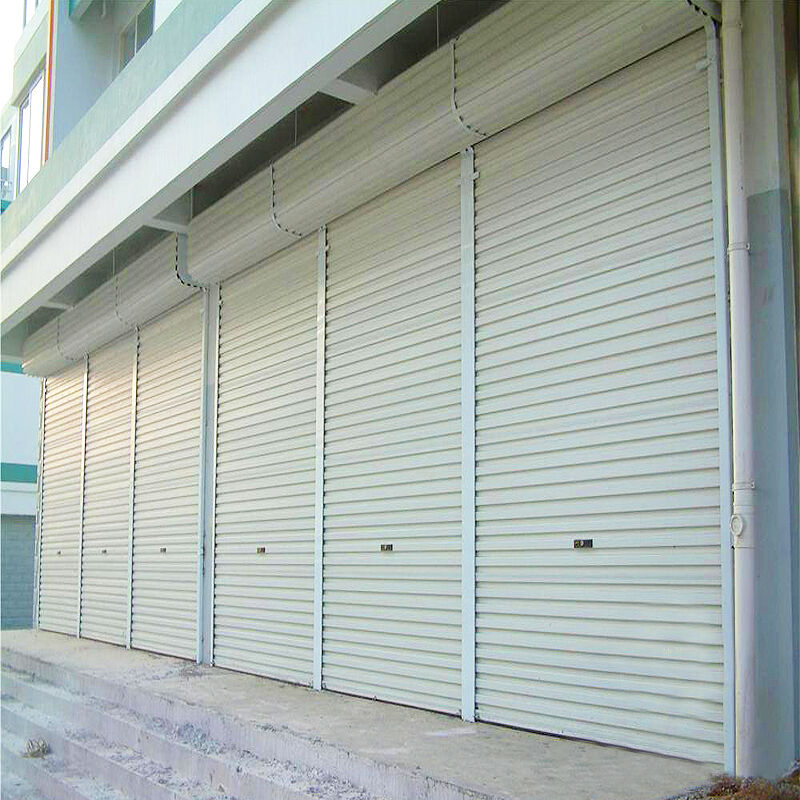
Technological Integration and Smart Features
Internet of Things Connectivity and Remote Monitoring
Contemporary automatic shutter doors incorporate Internet of Things technology, enabling seamless integration with smart building management systems. Property owners can monitor door status, receive maintenance alerts, and control operations remotely through mobile applications or web interfaces. This connectivity provides unprecedented visibility into door performance and usage patterns.
The data collection capabilities of smart automatic shutter doors offer valuable insights for optimizing operations and maintenance schedules. Analytics platforms can identify usage trends, predict maintenance needs, and optimize energy consumption patterns, contributing to more efficient facility management and reduced operational costs.
Integration with Existing Security Infrastructure
Automatic shutter doors seamlessly integrate with existing security systems, including access control cards, biometric scanners, and surveillance networks. This integration creates a unified security platform where door operations are coordinated with other security measures, enhancing overall protection effectiveness while simplifying management procedures.
The compatibility with various communication protocols ensures that automatic shutter doors can adapt to evolving security technologies without requiring complete system replacements. This future-proofing aspect protects the initial investment while allowing for gradual upgrades as new security technologies emerge.
Environmental Impact and Sustainability
Energy Efficiency and Carbon Footprint Reduction
Automatic shutter doors contribute significantly to environmental sustainability through improved energy efficiency and reduced carbon footprints. The superior insulation properties and tight sealing mechanisms minimize energy waste, supporting corporate sustainability goals while reducing utility expenses. The automated operation optimizes opening and closing cycles to maintain energy efficiency without compromising functionality.
The manufacturing processes for modern automatic shutter doors increasingly incorporate recycled materials and environmentally friendly production methods. Many manufacturers offer recycling programs for end-of-life products, ensuring that automatic shutter doors contribute to circular economy principles throughout their entire lifecycle.
Sustainable Materials and Manufacturing Practices
Leading manufacturers of automatic shutter doors prioritize sustainable materials, including recycled aluminum and eco-friendly coatings that reduce environmental impact without compromising performance. These materials offer excellent durability and corrosion resistance while supporting environmental stewardship objectives that many organizations pursue.
The longevity of automatic shutter doors reduces the frequency of replacements, minimizing waste generation and resource consumption over time. The efficient operation and reduced maintenance requirements further contribute to sustainability by reducing the environmental impact associated with repair activities and replacement parts manufacturing.
FAQ
What is the typical lifespan of automatic shutter doors?
High-quality automatic shutter doors typically last between 15 to 25 years with proper maintenance and regular servicing. The lifespan depends on factors such as usage frequency, environmental conditions, and the quality of installation. Regular maintenance schedules and prompt repairs of minor issues can extend the operational life significantly, making automatic shutter doors a long-term investment for property owners.
How much electricity do automatic shutter doors consume?
Modern automatic shutter doors are designed for energy efficiency and typically consume minimal electricity during operation. The motors only draw power during opening and closing cycles, with standby power consumption being negligible. Most systems use between 0.5 to 2 kilowatts during operation, and the overall monthly electricity consumption is usually less than that of a standard household appliance, making them cost-effective to operate.
Can automatic shutter doors be operated manually during power outages?
Yes, most automatic shutter doors include manual override mechanisms that allow operation during power outages or system failures. These backup systems typically involve a manual crank or chain mechanism that enables users to open or close the doors when automatic operation is unavailable. Some advanced systems also include battery backup options that maintain limited automated functionality during short-term power interruptions.
What maintenance is required for automatic shutter doors?
Automatic shutter doors require periodic maintenance including lubrication of moving parts, inspection of safety sensors, cleaning of tracks and guides, and testing of backup systems. Professional servicing is typically recommended every six months to ensure optimal performance and safety compliance. Regular maintenance helps prevent costly repairs and ensures the doors continue to operate reliably while maintaining their security and efficiency benefits.