 EN
EN

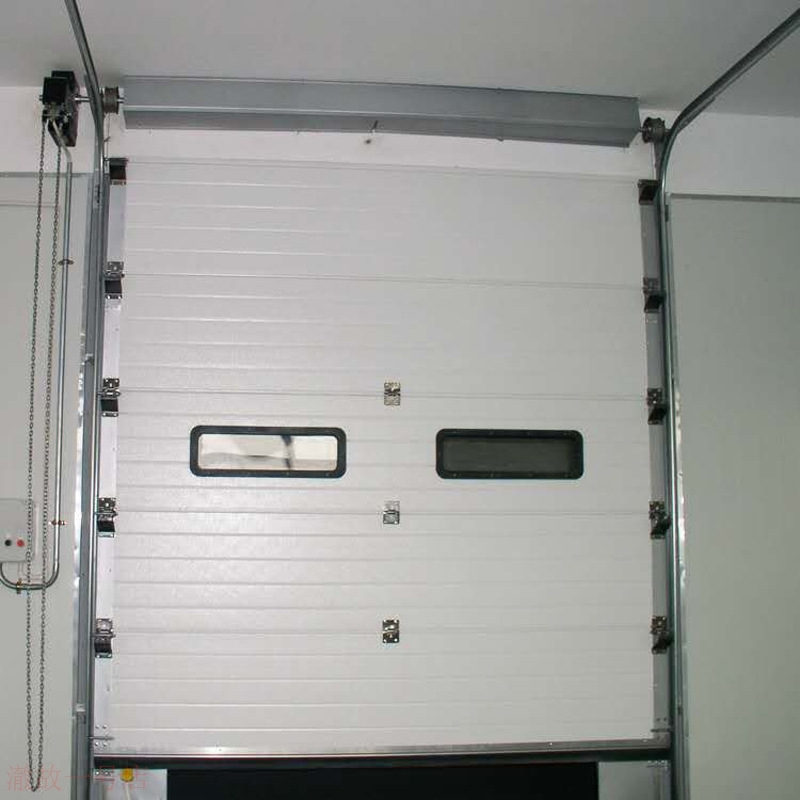
High-traffic commercial and industrial environments demand entrance solutions that can withstand constant use while maintaining operational efficiency. Aluminum roller doors have emerged as a preferred choice for warehouses, distribution centers, manufacturing facilities, and retail establishments where durability meets functionality. These specialized door systems combine lightweight construction with exceptional strength, making them ideally suited for locations experiencing hundreds of daily operations. The growing adoption of aluminum roller doors in demanding environments reflects their proven ability to deliver consistent performance while minimizing maintenance requirements and operational disruptions.
Structural Advantages of Aluminum Construction
Weight-to-Strength Ratio Benefits
The fundamental advantage of aluminum roller doors lies in their exceptional weight-to-strength ratio, which directly impacts performance in high-traffic scenarios. Aluminum's inherent properties allow for robust door panels that remain significantly lighter than steel alternatives, reducing stress on operating mechanisms and extending system longevity. This weight reduction translates into smoother operation cycles, decreased motor strain, and lower energy consumption during frequent opening and closing sequences. Facilities operating aluminum roller doors report notable improvements in cycle speed and reduced mechanical wear compared to heavier door materials.
The structural integrity of aluminum construction ensures consistent door alignment even after thousands of operation cycles. Unlike heavier materials that can cause frame distortion or track misalignment over time, aluminum roller doors maintain their geometric precision throughout extended use periods. This stability proves crucial in high-traffic environments where even minor operational delays can cascade into significant productivity losses. The material's resistance to permanent deformation under repeated stress cycles makes it particularly valuable for applications requiring reliable daily performance.
Corrosion Resistance in Demanding Environments
High-traffic areas often expose door systems to challenging environmental conditions, including moisture, chemical exposure, and temperature fluctuations. Aluminum's natural oxide layer provides inherent corrosion resistance that proves invaluable in these demanding applications. This protective characteristic eliminates the need for frequent refinishing or replacement cycles that plague steel door systems in similar environments. Facilities processing food products, chemicals, or operating in coastal environments benefit significantly from aluminum's resistance to environmental degradation.
The corrosion resistance of aluminum roller doors extends beyond surface protection to encompass all system components, including tracks, guides, and hardware elements. This comprehensive protection ensures that high-frequency operation doesn't accelerate deterioration due to environmental exposure. Maintenance schedules can focus on mechanical components rather than constant surface treatment, reducing both direct costs and operational interruptions. The longevity provided by corrosion resistance makes aluminum roller doors particularly cost-effective in high-use applications where replacement frequency directly impacts operational budgets.
Operational Performance Under Intensive Use
Cycle Life and Mechanical Reliability
The operational demands of high-traffic environments require door systems capable of performing hundreds or thousands of cycles daily without degradation. Aluminum roller doors excel in this demanding application through engineered design features that distribute operational stresses efficiently across the entire system. Advanced spring mechanisms and counterbalance systems specifically designed for aluminum panels ensure smooth operation throughout extended duty cycles. These systems maintain consistent opening and closing speeds regardless of accumulated operating hours, providing predictable performance for facility operations.
Mechanical reliability in intensive-use scenarios depends heavily on component tolerances and manufacturing precision. Quality aluminum roller doors incorporate precision-engineered tracks, rollers, and guide systems that maintain alignment under continuous operation. The reduced weight of aluminum panels allows for tighter manufacturing tolerances without compromising operational smoothness, resulting in systems that maintain their initial performance characteristics throughout their operational lifespan. This reliability proves essential in applications where door failure can halt entire production lines or compromise facility security.
Speed and Efficiency Considerations
High-traffic environments prioritize operational speed to maintain facility throughput and minimize bottlenecks. Aluminum roller doors deliver superior speed performance due to their lightweight construction and optimized mechanical systems. The reduced mass allows for faster acceleration and deceleration without compromising safety or system longevity. Modern aluminum roller door systems can achieve opening speeds exceeding traditional steel doors while maintaining smooth, controlled operation throughout the entire cycle.
Efficiency in high-traffic applications extends beyond raw speed to encompass energy consumption and operational costs. The lighter weight of aluminum roller doors reduces motor requirements and energy consumption per cycle, delivering measurable cost savings in facilities with high operation frequencies. Additionally, the precise manufacturing tolerances possible with aluminum construction minimize air leakage and improve thermal efficiency, contributing to overall facility energy performance. These efficiency gains compound significantly in high-use applications, making aluminum roller doors increasingly attractive for cost-conscious facility managers.
Maintenance Requirements and Service Life
Preventive Maintenance Protocols
Effective maintenance strategies for aluminum roller doors in high-traffic environments focus on proactive care rather than reactive repairs. The corrosion-resistant properties of aluminum significantly reduce maintenance frequency compared to steel alternatives, allowing maintenance teams to concentrate on mechanical components and operational adjustments. Regular lubrication of moving parts, track cleaning, and spring tension verification form the core of effective maintenance protocols. These routine procedures can often be performed during scheduled facility downtime without disrupting normal operations.
The modular design of quality aluminum roller doors facilitates efficient maintenance procedures and component replacement when necessary. Individual panels can be replaced without system shutdown, and mechanical components are designed for field serviceability. This maintenance-friendly design proves particularly valuable in high-traffic environments where extended downtime creates significant operational costs. Maintenance schedules can be optimized around facility operations, with most procedures completed during normal operational pauses rather than requiring dedicated shutdown periods.
Long-term Performance Expectations
Long-term performance projections for aluminum roller doors in intensive-use applications demonstrate exceptional value propositions compared to alternative materials. The combination of corrosion resistance, mechanical durability, and lightweight construction typically results in service lives exceeding twenty years with proper maintenance. This longevity proves particularly valuable in high-traffic applications where frequent replacement cycles would create significant operational disruptions and capital expenditures.
Performance degradation patterns for aluminum roller doors follow predictable curves that enable effective lifecycle planning and budgeting. Unlike steel systems that may experience sudden failure modes due to corrosion or structural fatigue, aluminum roller doors typically exhibit gradual performance changes that provide ample warning for planned maintenance or replacement. This predictability allows facility managers to schedule major maintenance or replacement activities during planned shutdowns, minimizing operational impact and optimizing maintenance budgets.
Installation Considerations for High-Traffic Applications
Structural Requirements and Load Distribution
The installation of aluminum roller doors in high-traffic environments requires careful attention to structural support and load distribution to ensure optimal long-term performance. While aluminum doors impose lower static loads than steel alternatives, the dynamic forces generated by frequent operation require proper structural anchoring and support systems. Professional installation teams must evaluate existing structural conditions and may recommend reinforcement in areas where original construction wasn't designed for intensive door operation.
Load distribution considerations extend beyond the door opening itself to encompass the entire supporting structure. The reduced weight of aluminum roller doors can actually simplify installation requirements in many cases, as existing structural elements may provide adequate support without modification. However, high-frequency operation generates different stress patterns than occasional use, requiring installation practices that account for accumulated fatigue loads over time. Proper installation ensures that aluminum roller doors can deliver their full performance potential throughout their extended service lives.
Integration with Facility Systems
Modern high-traffic facilities require seamless integration between door systems and facility automation, security, and climate control systems. Aluminum roller doors offer excellent compatibility with electronic controls, sensors, and automated operation systems due to their precise mechanical characteristics and predictable performance parameters. The lightweight construction enables responsive operation with standard motor and control systems, facilitating integration with existing facility management platforms.
System integration considerations for aluminum roller doors include compatibility with fire safety systems, security protocols, and environmental controls. The quick operation capabilities of aluminum roller doors make them ideal for applications requiring rapid response to automated signals or emergency conditions. Integration planning should account for the superior speed and reliability characteristics of aluminum systems, potentially enabling facility layouts and operational procedures that weren't feasible with slower or less reliable door systems.
Cost-Benefit Analysis in High-Traffic Environments
Initial Investment Considerations
The initial investment required for quality aluminum roller doors typically exceeds basic steel alternatives but delivers superior value propositions in high-traffic applications. The premium pricing reflects advanced manufacturing processes, precision engineering, and higher-grade materials that enable extended service life and reduced maintenance requirements. Facility managers must evaluate initial costs against projected operational savings and reduced downtime risks to accurately assess the true investment value.
Cost analysis for aluminum roller doors should incorporate factors beyond purchase price, including installation complexity, facility modifications, and system integration requirements. The lighter weight of aluminum systems often reduces installation costs and may eliminate the need for structural reinforcement required by heavier alternatives. Additionally, the precision manufacturing of aluminum roller doors typically results in smoother installation processes with fewer field adjustments, potentially reducing installation time and associated labor costs.
Operational Cost Savings
The operational cost advantages of aluminum roller doors become increasingly significant in high-traffic environments where frequent operation amplifies efficiency differences. Reduced energy consumption per cycle, lower maintenance requirements, and extended component life combine to deliver measurable operational savings. Facilities operating aluminum roller doors report significant reductions in both direct maintenance costs and indirect costs associated with operational disruptions and system downtime.
Long-term operational savings from aluminum roller doors often exceed initial investment premiums within the first few years of operation in high-traffic applications. The combination of reduced maintenance frequency, lower energy consumption, and extended service life creates compelling economic arguments for aluminum selection. These savings compound over time, with aluminum roller doors typically delivering superior lifecycle cost performance compared to steel alternatives in demanding operational environments.
FAQ
How many operation cycles can aluminum roller doors handle daily in high-traffic environments
Quality aluminum roller doors are engineered to handle 500-1000 operation cycles daily in high-traffic environments when properly maintained. The lightweight construction and precision manufacturing enable continuous operation without significant wear accumulation. Many commercial installations report successful operation at frequencies exceeding 200,000 cycles annually with appropriate preventive maintenance protocols. The exact cycle capacity depends on door size, operating conditions, and maintenance quality, but aluminum systems consistently outperform heavier alternatives in intensive-use applications.
What maintenance schedule is recommended for aluminum roller doors in high-use facilities
Recommended maintenance schedules for aluminum roller doors in high-traffic environments include monthly visual inspections, quarterly lubrication of moving parts, and semi-annual comprehensive system evaluations. The corrosion-resistant properties of aluminum eliminate the need for frequent surface treatments required by steel systems. Most facilities find that quarterly professional maintenance visits combined with basic monthly checks by facility staff provide optimal performance and longevity. High-frequency operations may benefit from monthly professional inspections to identify potential issues before they impact operations.
How do aluminum roller doors compare to steel doors in terms of noise levels during operation
Aluminum roller doors typically operate at significantly lower noise levels than steel alternatives due to their lighter weight and precision manufacturing. The reduced mass creates less vibration and mechanical noise during operation cycles, making them ideal for facilities with noise sensitivity requirements. Modern aluminum roller doors with quality roller systems and proper lubrication often operate at noise levels 10-15 decibels lower than comparable steel systems. This noise reduction proves particularly valuable in high-traffic environments where frequent operation could otherwise create significant workplace noise issues.
Can aluminum roller doors provide adequate security in high-traffic commercial applications
Modern aluminum roller doors provide excellent security performance in high-traffic commercial applications through advanced locking systems and reinforced construction techniques. While aluminum is lighter than steel, properly designed aluminum roller doors incorporate multiple locking points, reinforced mounting systems, and tamper-resistant hardware that deliver security performance comparable to steel systems. The key lies in selecting doors specifically engineered for security applications rather than basic commercial models. Many aluminum roller door systems exceed insurance requirements for commercial security while maintaining the operational advantages of lightweight construction.
Table of Contents
- Structural Advantages of Aluminum Construction
- Operational Performance Under Intensive Use
- Maintenance Requirements and Service Life
- Installation Considerations for High-Traffic Applications
- Cost-Benefit Analysis in High-Traffic Environments
-
FAQ
- How many operation cycles can aluminum roller doors handle daily in high-traffic environments
- What maintenance schedule is recommended for aluminum roller doors in high-use facilities
- How do aluminum roller doors compare to steel doors in terms of noise levels during operation
- Can aluminum roller doors provide adequate security in high-traffic commercial applications