 EN
EN

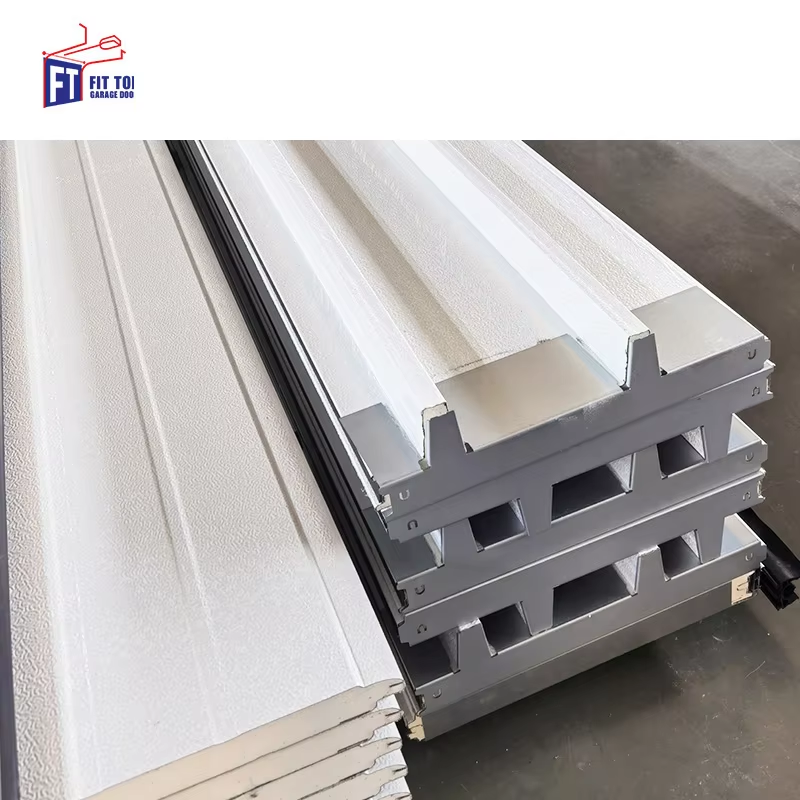
Modern garage doors have evolved significantly from simple overhead barriers to sophisticated entry systems equipped with multiple safety features. When selecting sectional door panels for residential or commercial applications, understanding the essential safety components can prevent accidents, protect property, and ensure long-term reliable operation. These panels serve as the primary barrier between your valuable assets and external threats while providing convenient access to your space.
Safety considerations extend beyond basic functionality to encompass structural integrity, mechanical reliability, and user protection features. Professional installers and property owners must evaluate various safety elements to ensure compliance with industry standards and local building codes. The investment in quality safety features pays dividends through reduced maintenance costs, enhanced security, and peace of mind for daily operations.
Essential Structural Safety Components
Panel Construction and Material Durability
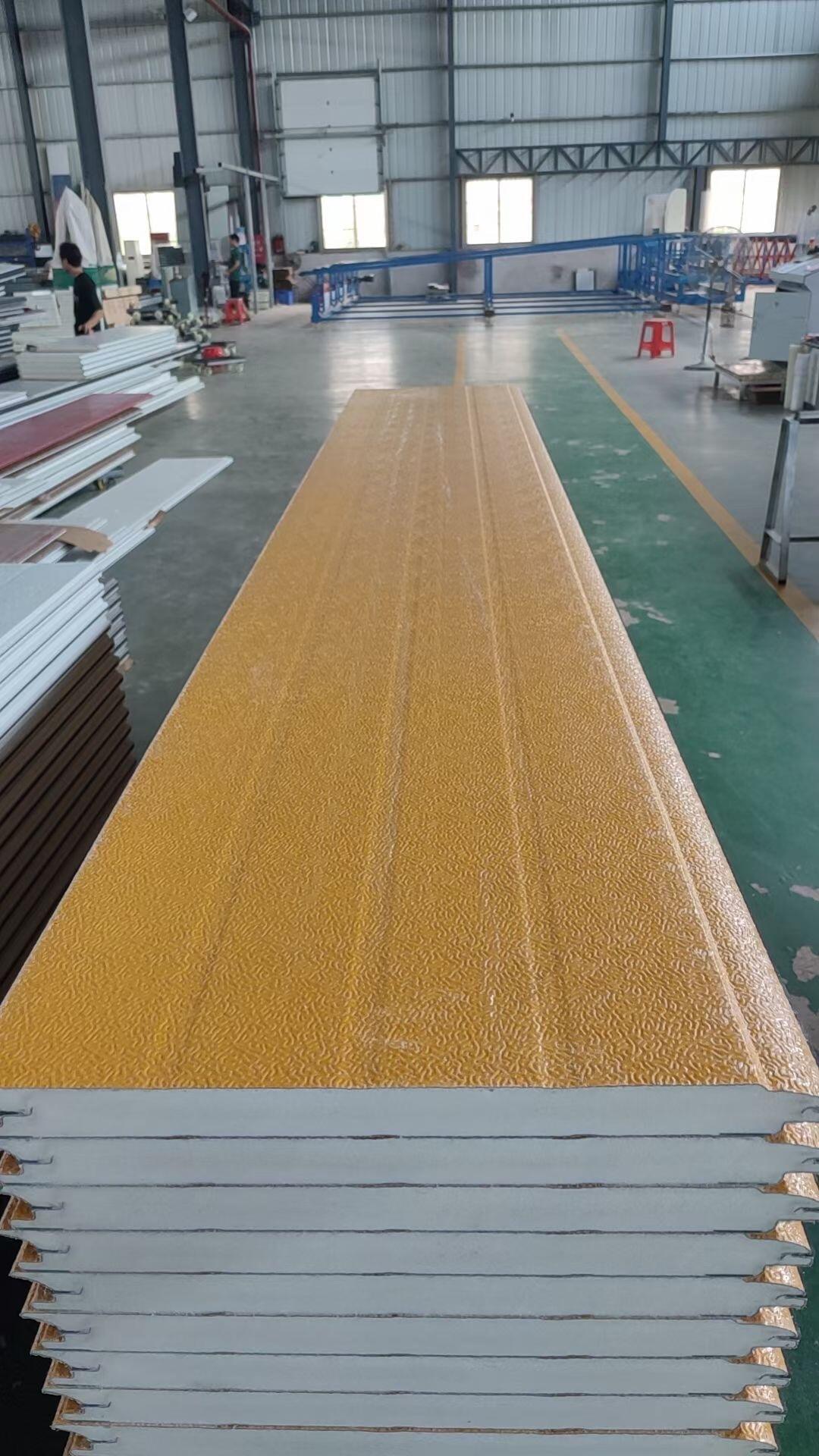
The foundation of safe sectional door panels begins with robust construction materials that can withstand environmental stresses and daily use cycles. High-quality steel, aluminum, or composite materials provide the necessary strength to resist impact damage, weather deterioration, and attempted forced entry. Proper gauge thickness ensures panels maintain structural integrity under wind loads and temperature fluctuations common in various climates.
Reinforcement elements within panel sections distribute stress loads evenly across the door surface, preventing localized failures that could compromise overall safety. Quality manufacturers incorporate strategic ribbing, backing materials, and connection hardware designed to meet or exceed industry safety standards. These structural elements work together to create a cohesive system capable of protecting against both accidental impacts and intentional security breaches.
Joint and Connection Security
Panel-to-panel connections represent critical safety points where mechanical failures often originate if improperly designed or maintained. Heavy-duty hinges, brackets, and fasteners must accommodate the dynamic stresses of opening and closing cycles while maintaining precise alignment. Galvanized or stainless steel hardware resists corrosion that could weaken connection points over time, ensuring long-term safety performance.
Weather sealing at joint locations prevents moisture infiltration that could compromise structural materials or create ice formation hazards during cold weather operation. Flexible sealing systems accommodate normal thermal expansion while maintaining effective barriers against environmental elements. Regular inspection of these connection points allows early detection of wear patterns before they develop into safety concerns.
Mechanical Safety Systems Integration
Spring and Cable Safety Features
Torsion springs and lifting cables represent high-tension components that require specific safety features to protect users and property in case of mechanical failure. Safety cables running through extension springs prevent uncontrolled spring movement if breakage occurs during operation. These containment systems redirect potentially dangerous spring energy away from people and vehicles in the door area.
Professional-grade sectional door panels incorporate mounting systems designed to handle spring forces safely throughout the expected service life. Proper spring balancing ensures smooth operation while reducing stress on panel sections and connection hardware. Regular professional maintenance of spring systems maintains optimal safety performance and extends component lifespan significantly.
Emergency Release and Manual Operation
Power outages or mechanical failures require manual operation capabilities that allow safe door movement without compromising user safety or property security. Emergency release mechanisms must be easily accessible yet secure enough to prevent accidental activation during normal operation. Clear labeling and intuitive operation procedures ensure proper use during emergency situations when stress levels may affect decision-making.
Manual lifting handles positioned strategically on panel sections provide secure grip points for safe operation when automatic systems are unavailable. These handles must be designed to accommodate the forces required for manual operation while preventing hand injuries or loss of control during lifting or lowering procedures. Proper counterbalancing ensures manual operation remains within safe lifting limits for average users.
Advanced Safety Technology Features
Photoelectric and Pressure Sensors
Modern sectional door panels integrate with sophisticated sensor systems that detect obstacles in the door path and immediately halt or reverse operation to prevent injury or property damage. Photoelectric sensors create invisible barrier beams across the door opening, while pressure-sensitive edges detect contact with objects during closing operations. These systems must be properly aligned and regularly tested to maintain optimal safety performance.
Sensor technology continues advancing with features like adjustable sensitivity settings, self-diagnostic capabilities, and wireless communication with control systems. Multiple sensor types working together provide redundant safety coverage that significantly reduces the risk of accidents during automatic operation. Professional installation ensures proper sensor placement and calibration for maximum effectiveness across the full range of operating conditions.
Anti-Theft and Security Integration
Security features built into sectional door panels protect against unauthorized access while maintaining safe operation for legitimate users. Reinforced locking mechanisms, security lighting integration, and alarm system connectivity create comprehensive protection systems. These features must balance security effectiveness with emergency access requirements and fire safety compliance.
Smart technology integration allows remote monitoring and control capabilities that enhance both security and safety through real-time status updates and alert notifications. Mobile applications provide immediate notification of unexpected door activity, maintenance requirements, or system malfunctions that could affect safety performance. These connected systems enable proactive maintenance scheduling and rapid response to potential safety concerns.
Installation and Maintenance Safety Considerations
Professional Installation Requirements
Proper installation of sectional door panels requires specialized knowledge of mechanical systems, electrical connections, and safety code compliance that extends beyond basic construction skills. Professional installers understand the critical adjustments necessary for safe operation, including spring tension calibration, sensor alignment, and emergency system testing. Attempting installation without proper expertise can result in serious safety hazards and void manufacturer warranties.
Certified installation teams follow established safety protocols during installation procedures, using appropriate tools and safety equipment to prevent accidents. They understand the importance of proper electrical grounding, secure mounting techniques, and comprehensive system testing before turning the installation over to the owner. Professional installation documentation provides valuable reference information for future maintenance and warranty service requirements.
Ongoing Maintenance and Inspection Protocols
Regular maintenance schedules ensure continued safe operation of sectional door panels throughout their service life by identifying potential problems before they become safety hazards. Visual inspections of panel condition, hardware integrity, and safety system function should be performed monthly by property owners or facility managers. Professional service visits provide thorough mechanical inspections and adjustments that require specialized tools and expertise.
Maintenance records document system performance trends and help identify components approaching replacement intervals before failure occurs. Proactive component replacement prevents unexpected failures that could compromise safety or result in costly emergency repairs. Proper maintenance scheduling also ensures warranty coverage remains valid and helps identify any design improvements available through manufacturer updates.
FAQ
How often should sectional door panels be inspected for safety issues
Monthly visual inspections by property owners should check for obvious damage, wear signs, or operational problems, while professional inspections should occur annually or semi-annually depending on usage frequency. High-traffic commercial installations may require quarterly professional service to maintain optimal safety performance. Any unusual noises, movement patterns, or sensor behavior should prompt immediate professional evaluation regardless of the regular maintenance schedule.
What are the most common safety failures in sectional door panels
Spring failures represent the most frequent safety concern, followed by sensor misalignment, cable wear, and hinge deterioration from normal use cycles. Weather-related issues like ice formation, wind damage, or thermal expansion problems also contribute to safety concerns in extreme climates. Regular maintenance and prompt attention to minor issues prevent most common failures from developing into serious safety hazards.
Are there specific safety certifications to look for when purchasing sectional door panels
UL listings, ANSI compliance, and local building code approvals represent essential safety certifications for sectional door panels in most jurisdictions. International Door Association standards and manufacturer-specific testing certifications provide additional assurance of safety performance. Professional installers can verify appropriate certifications for specific applications and local requirements during the selection process.
What safety features are required by building codes for commercial sectional door panels
Commercial installations typically require photoelectric sensors, emergency release systems, proper electrical grounding, and compliance with ADA accessibility standards where applicable. Fire-rated assemblies may be necessary in certain locations, along with specific security features for high-risk facilities. Local code officials and professional installers can provide specific requirements for individual projects and jurisdictions during the planning phase.
Table of Contents
- Essential Structural Safety Components
- Mechanical Safety Systems Integration
- Advanced Safety Technology Features
- Installation and Maintenance Safety Considerations
-
FAQ
- How often should sectional door panels be inspected for safety issues
- What are the most common safety failures in sectional door panels
- Are there specific safety certifications to look for when purchasing sectional door panels
- What safety features are required by building codes for commercial sectional door panels